For Sale: The Philip & Leah Lovell Beach House, R.M. Schindler (1926)
1242 W. Oceanfront, Newport Beach, CA 92661
4 BD | 4 BA | 2,7141 SF | 3,734 SF Lot | Map
The Philip and Leah Lovell Beach House, R.M. Schindler (1926).
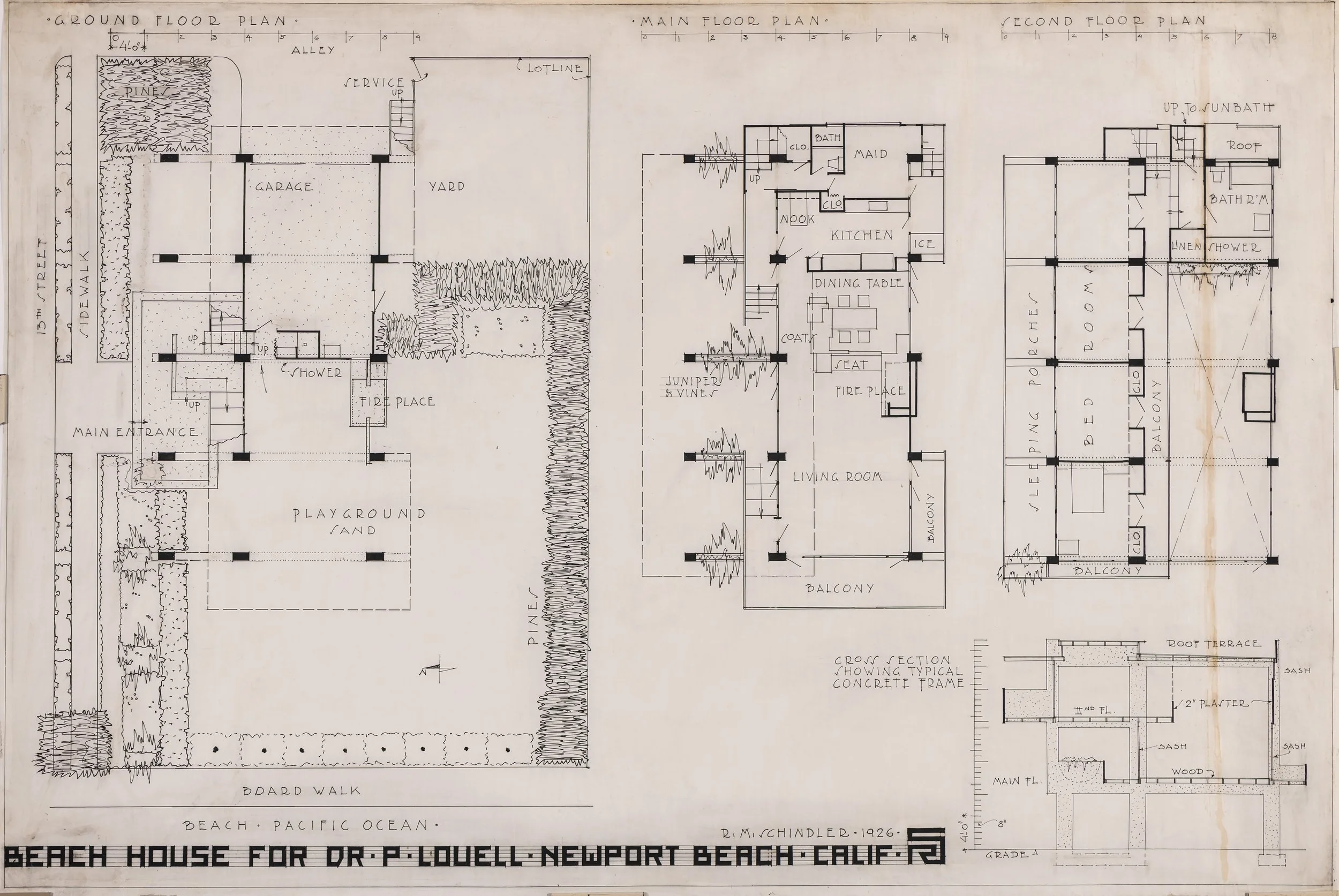
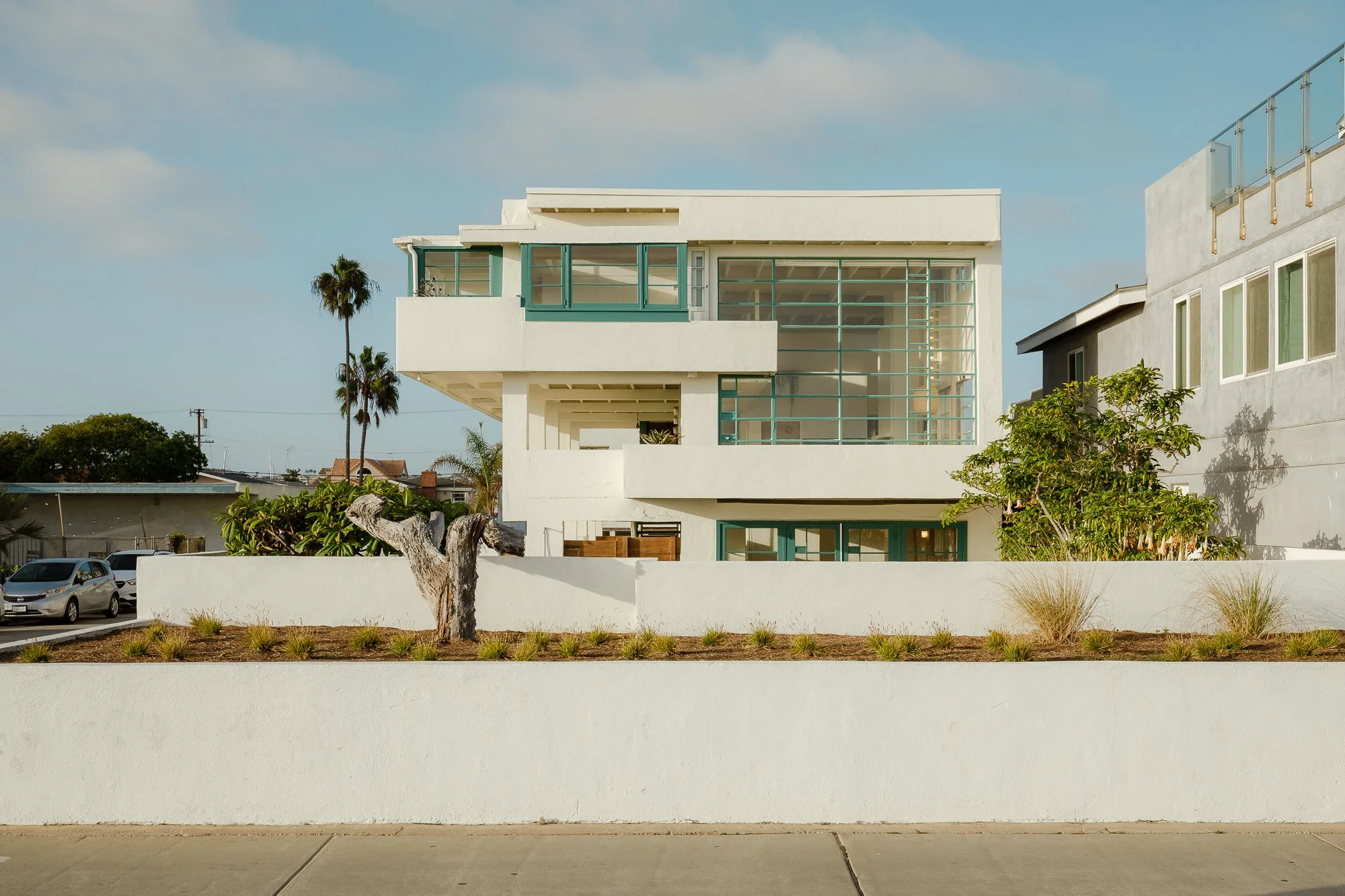
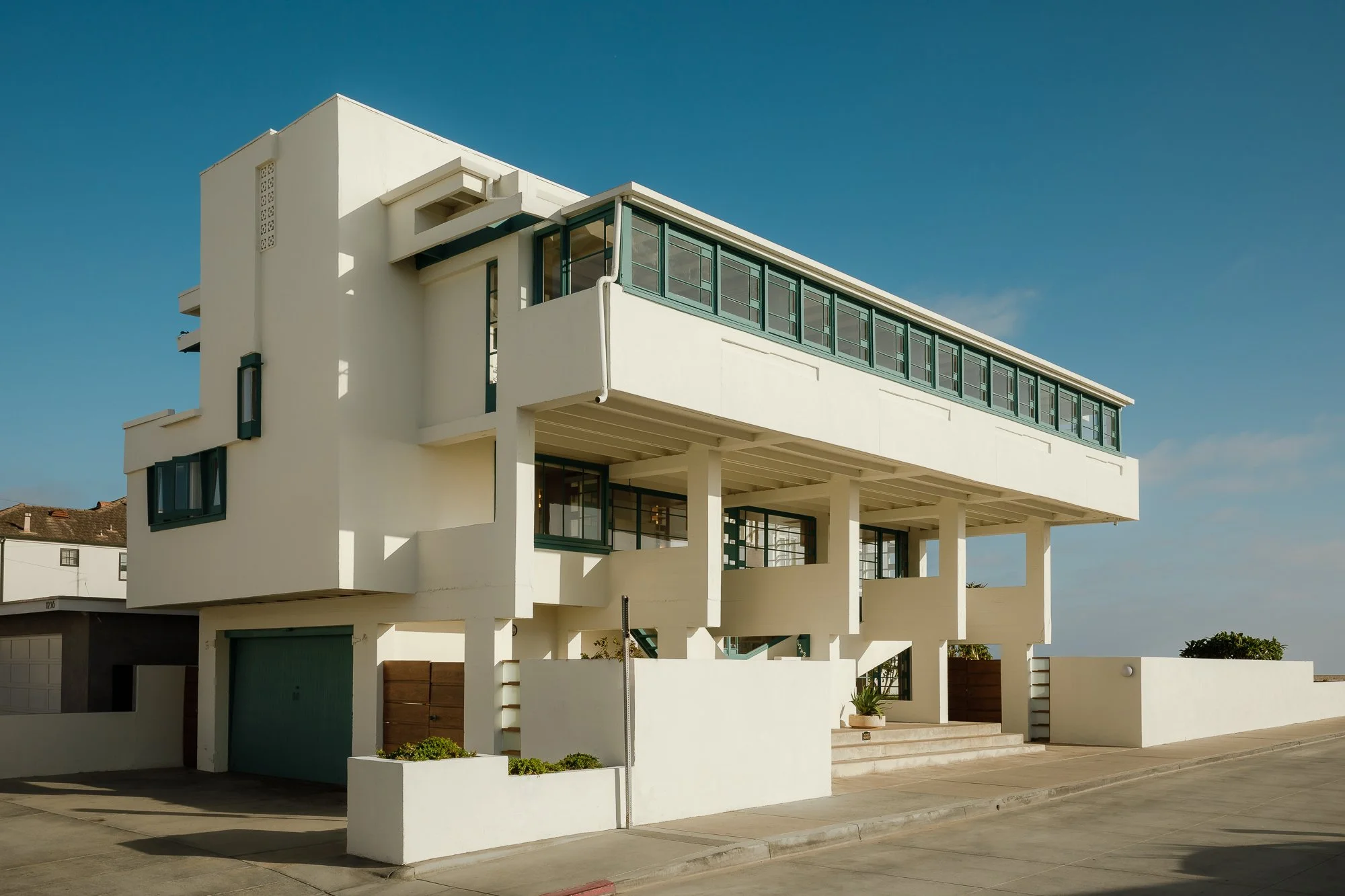
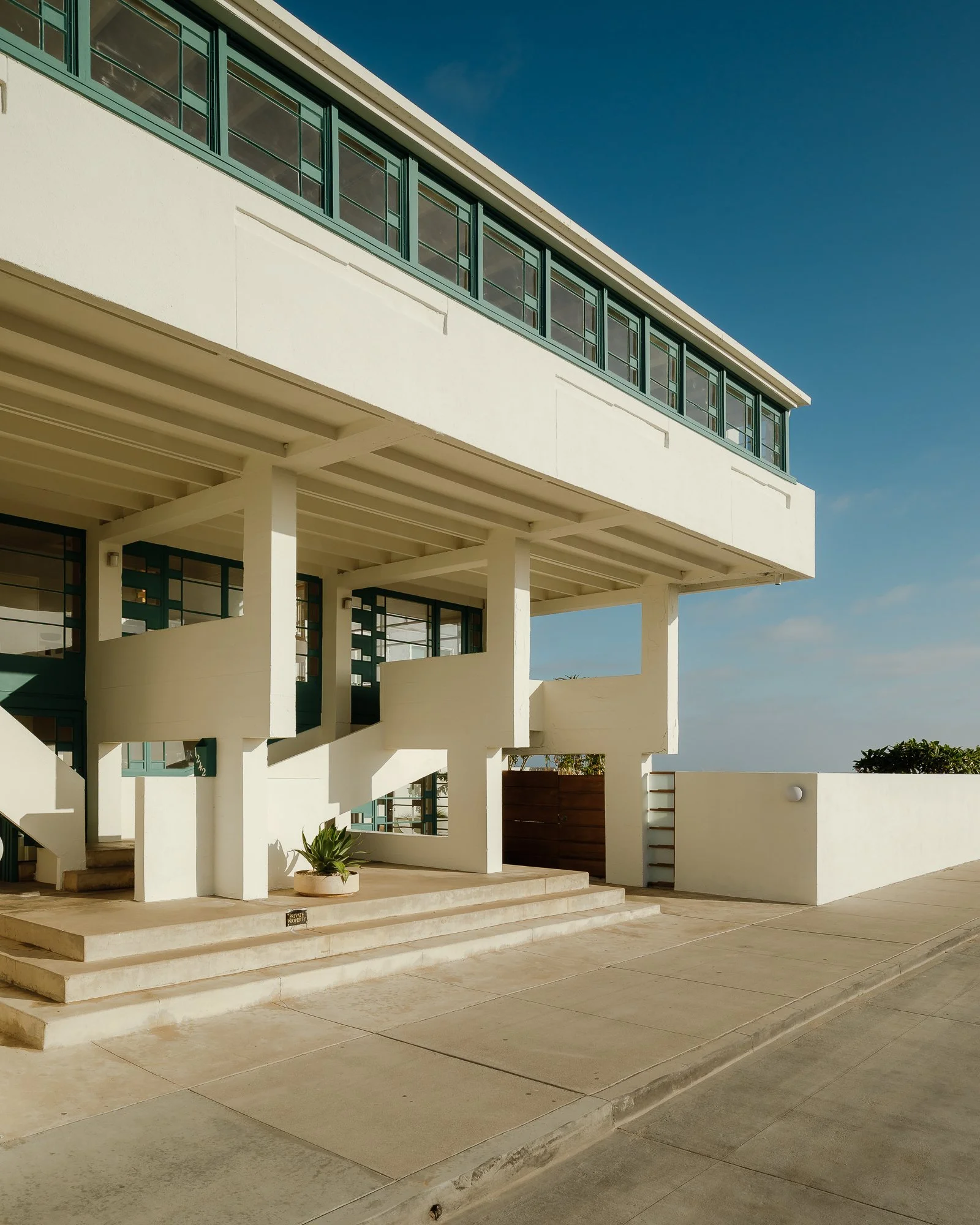
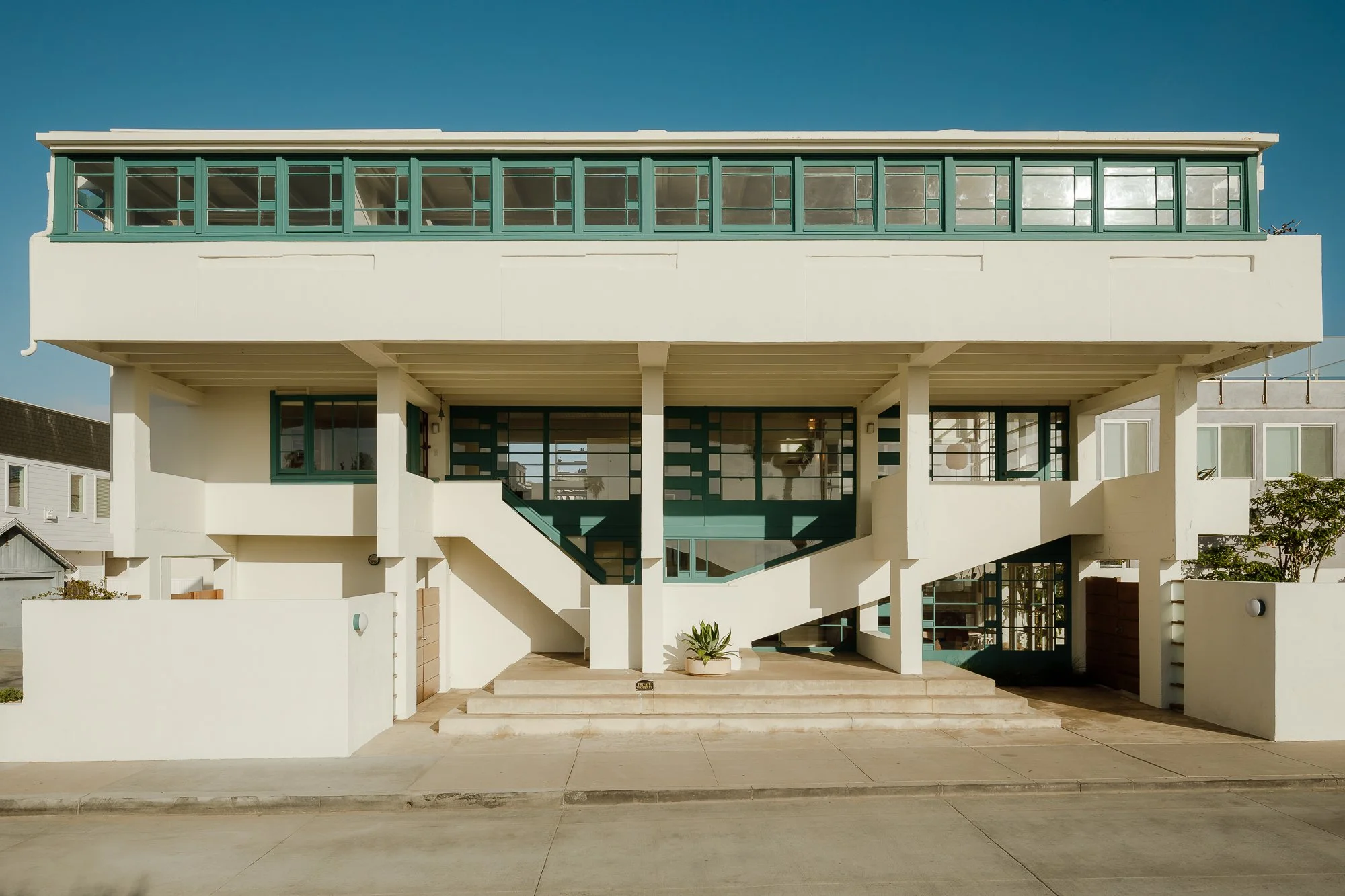
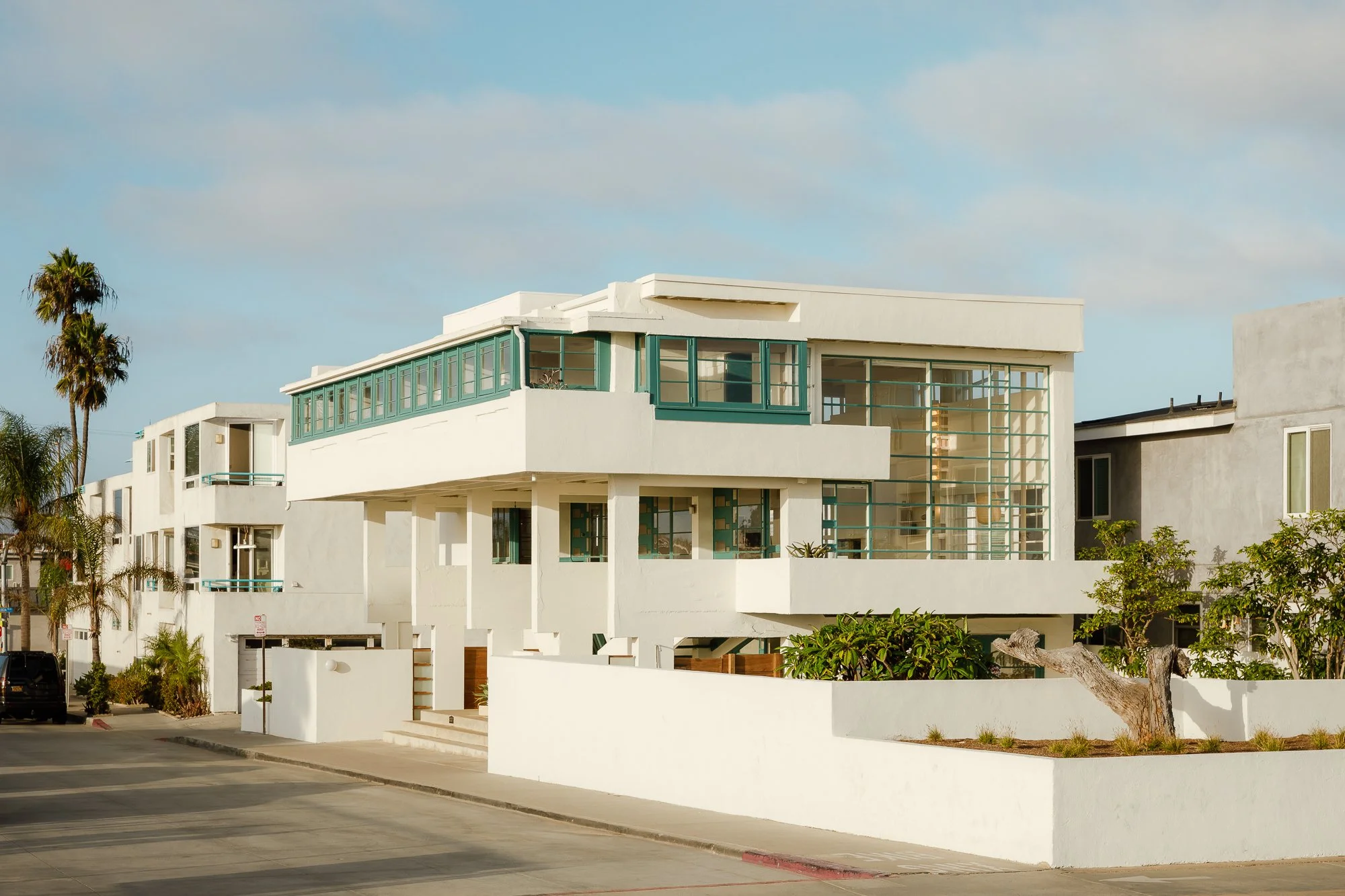
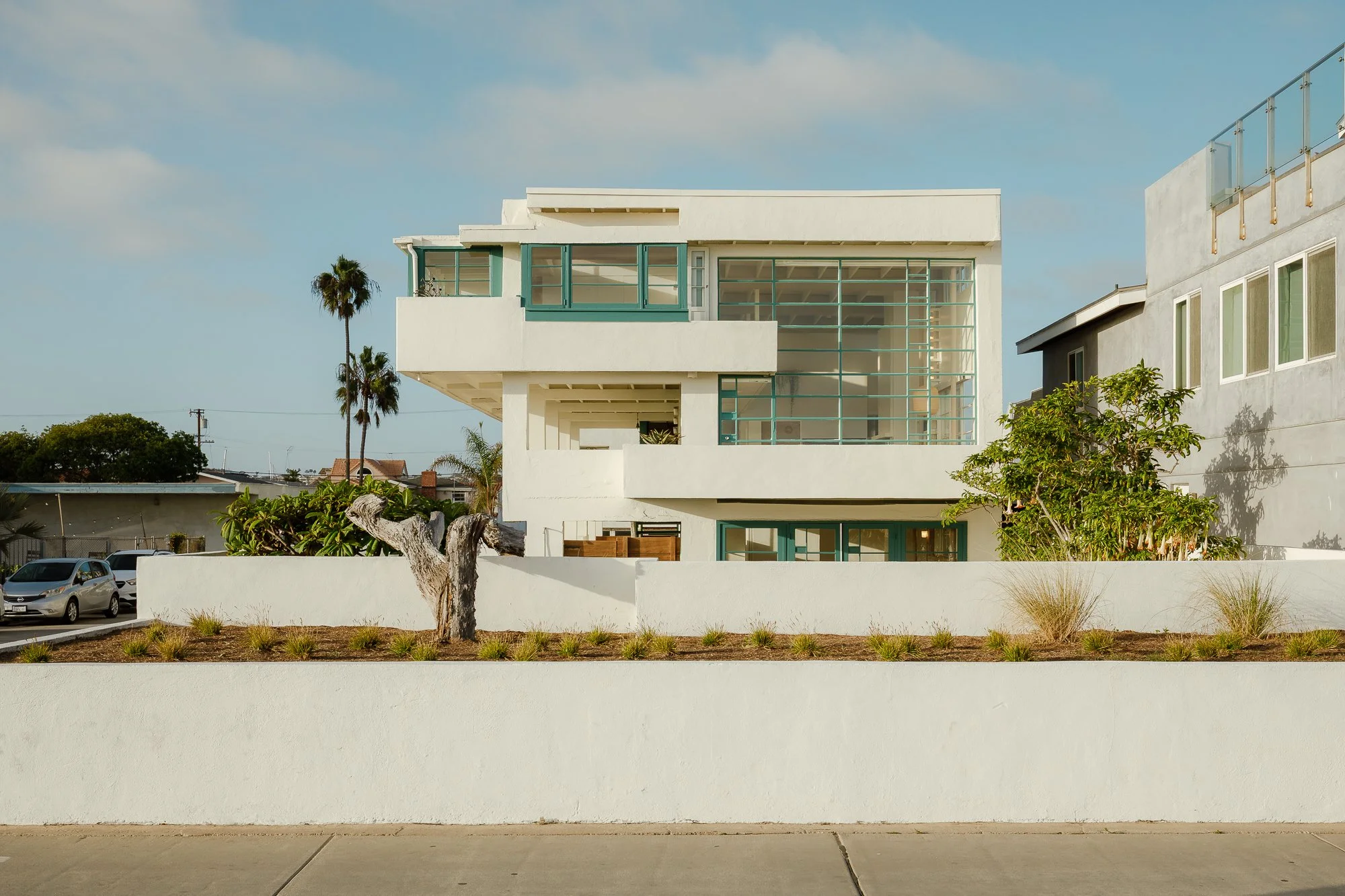
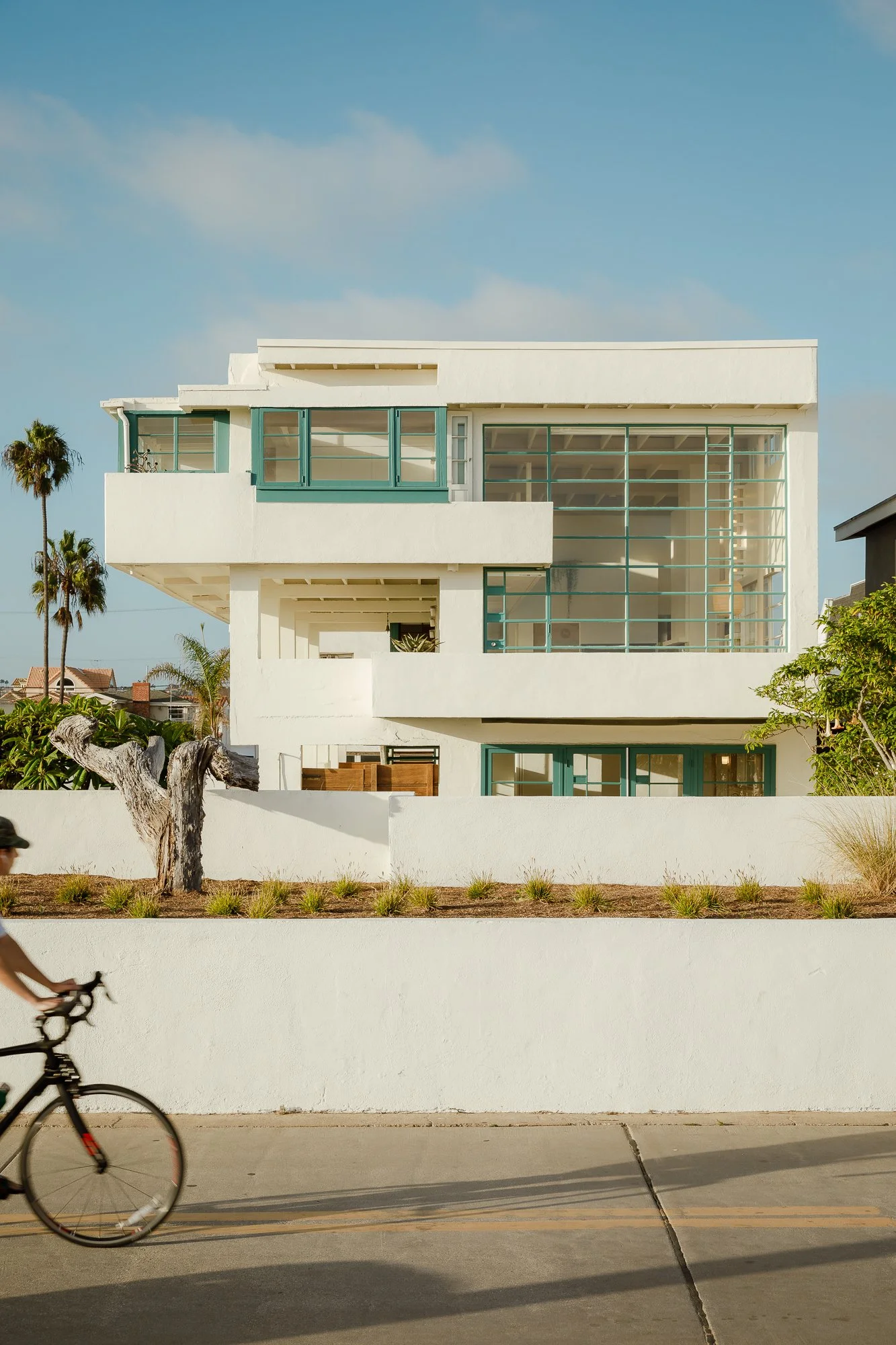
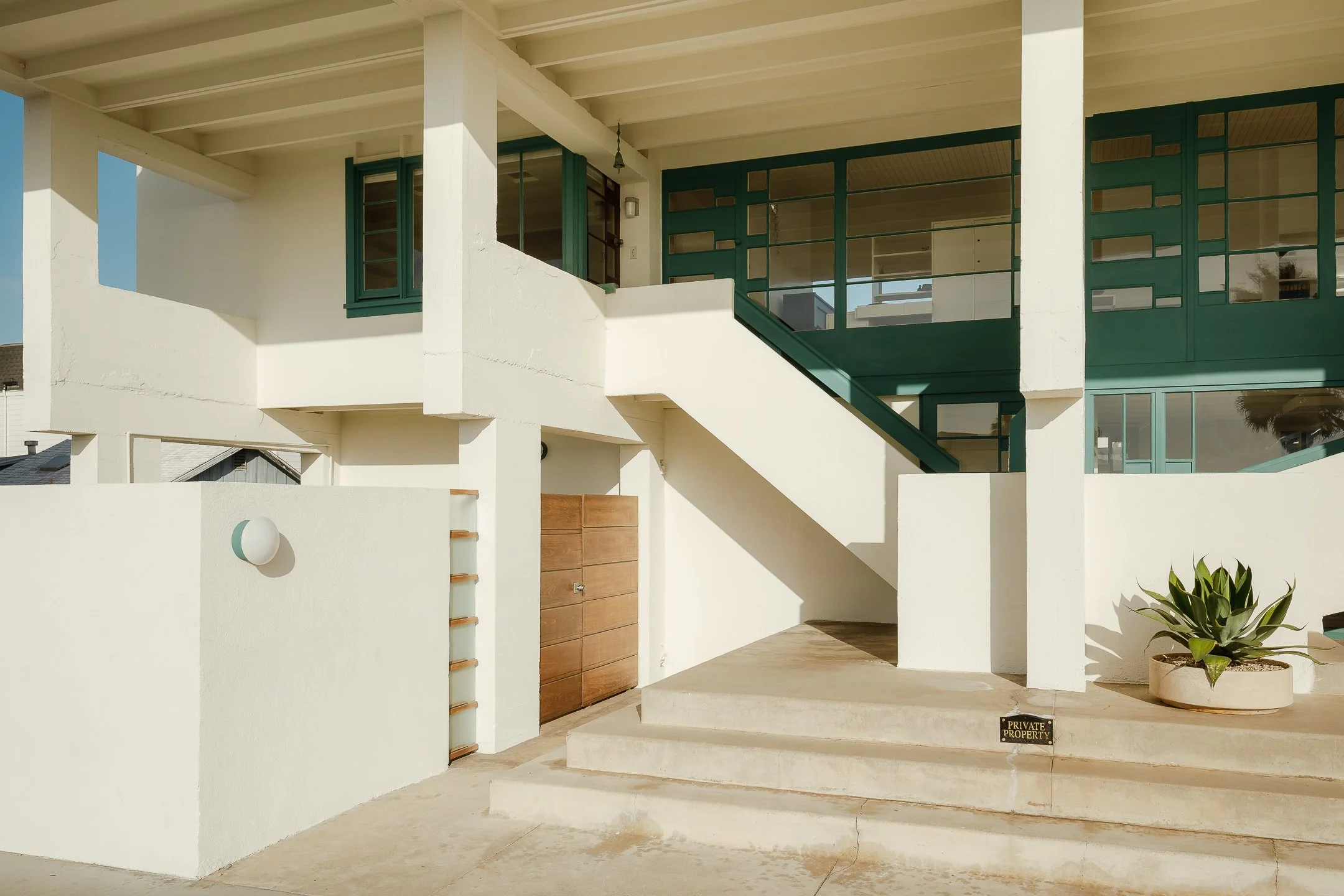
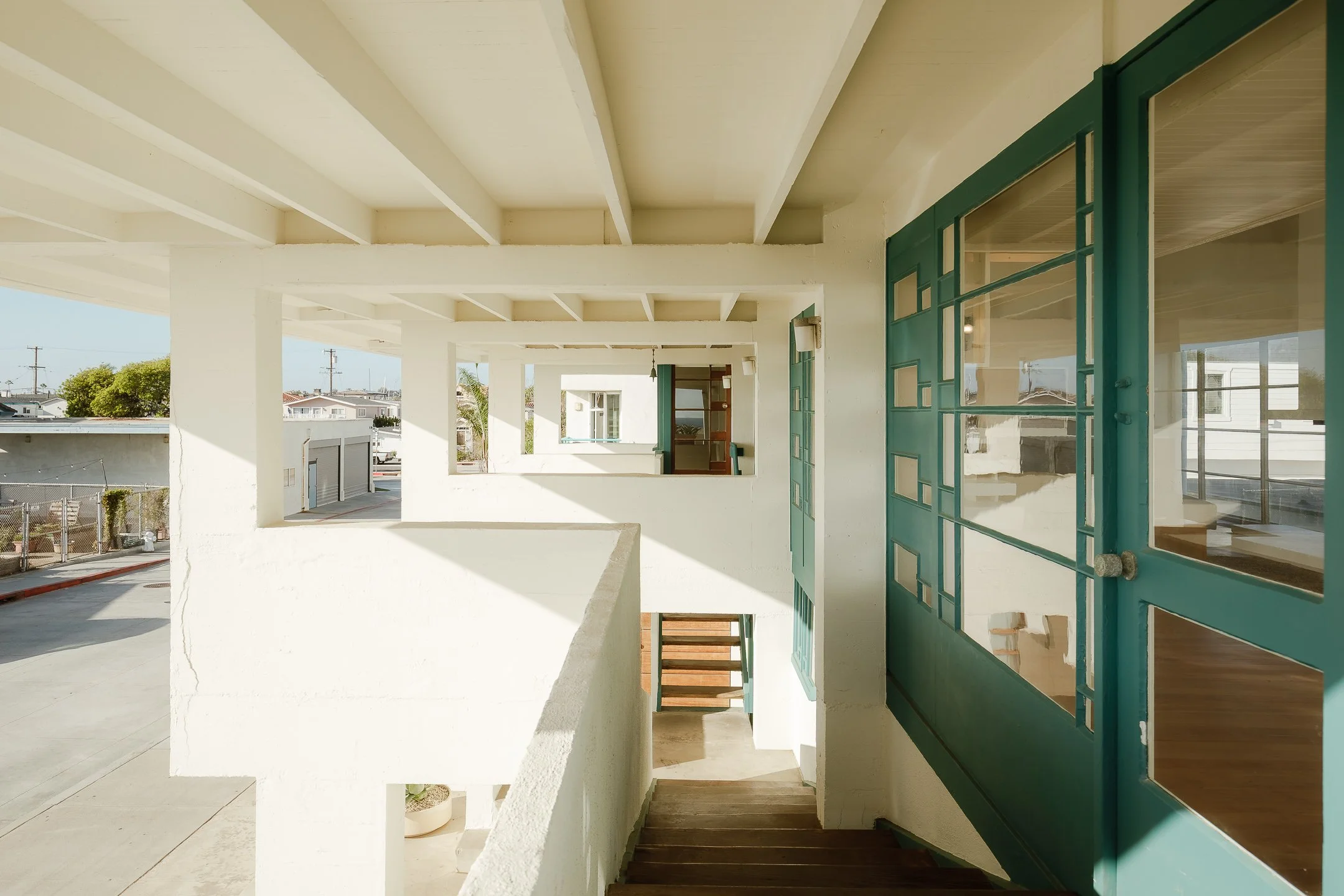
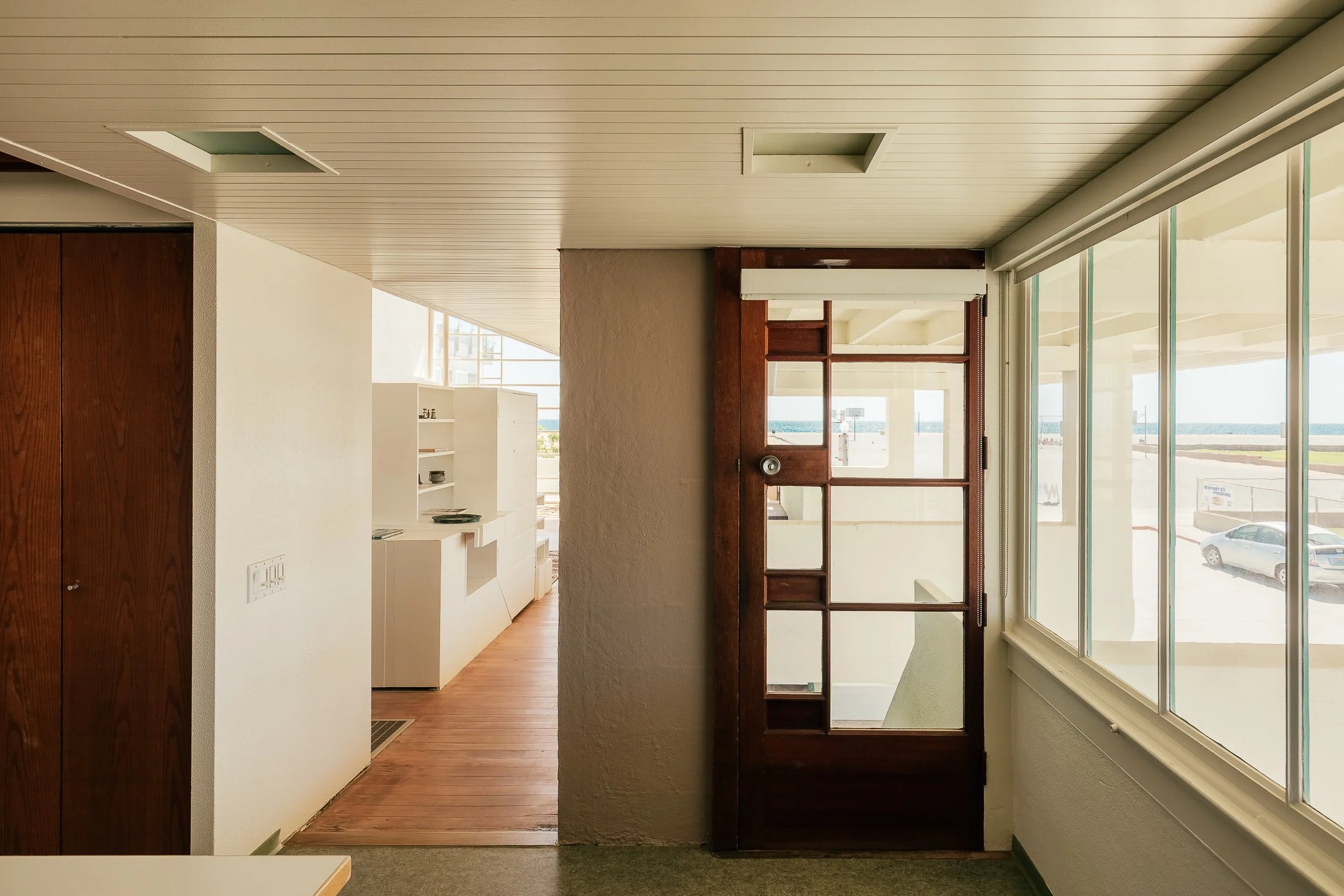
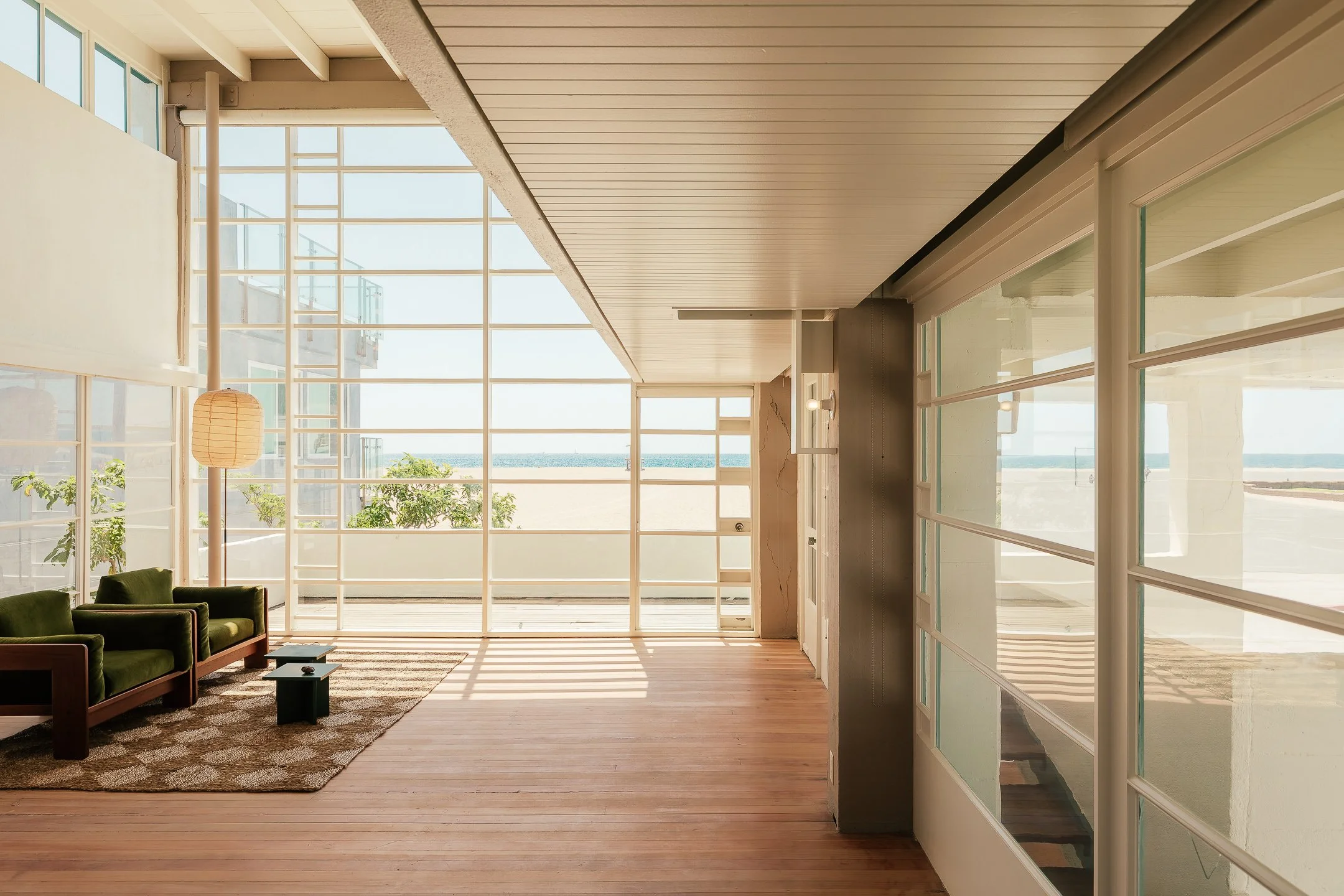
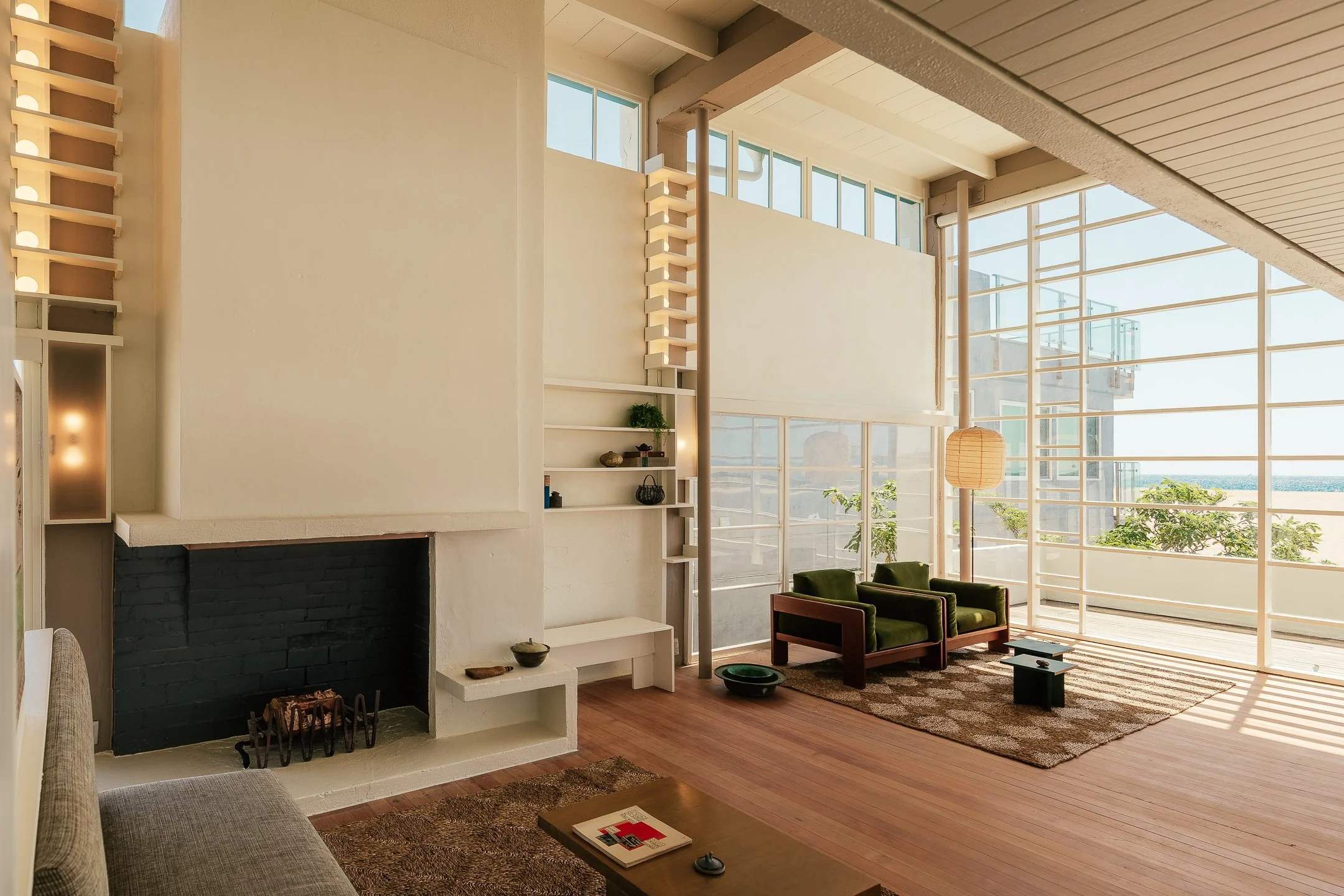
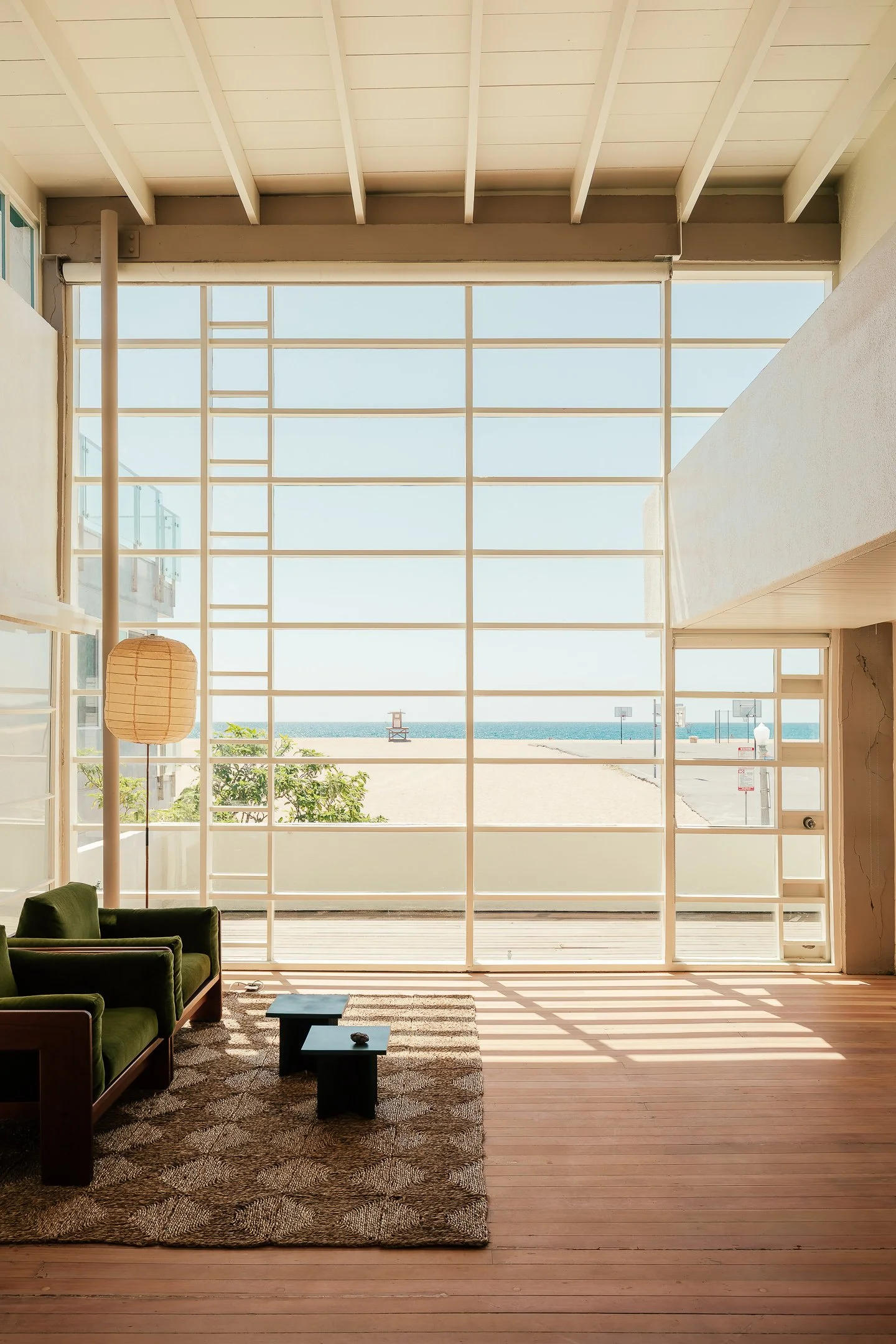
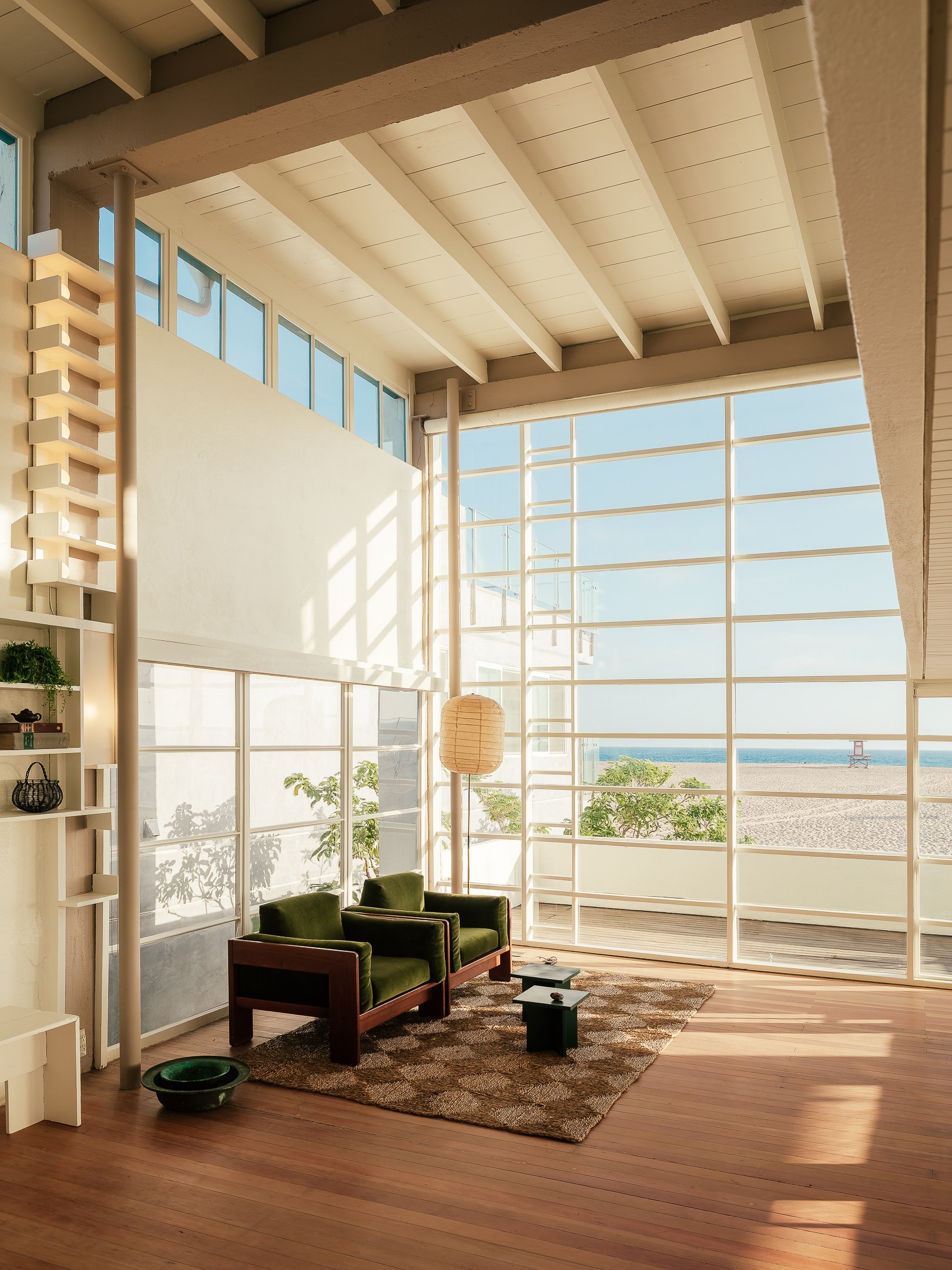
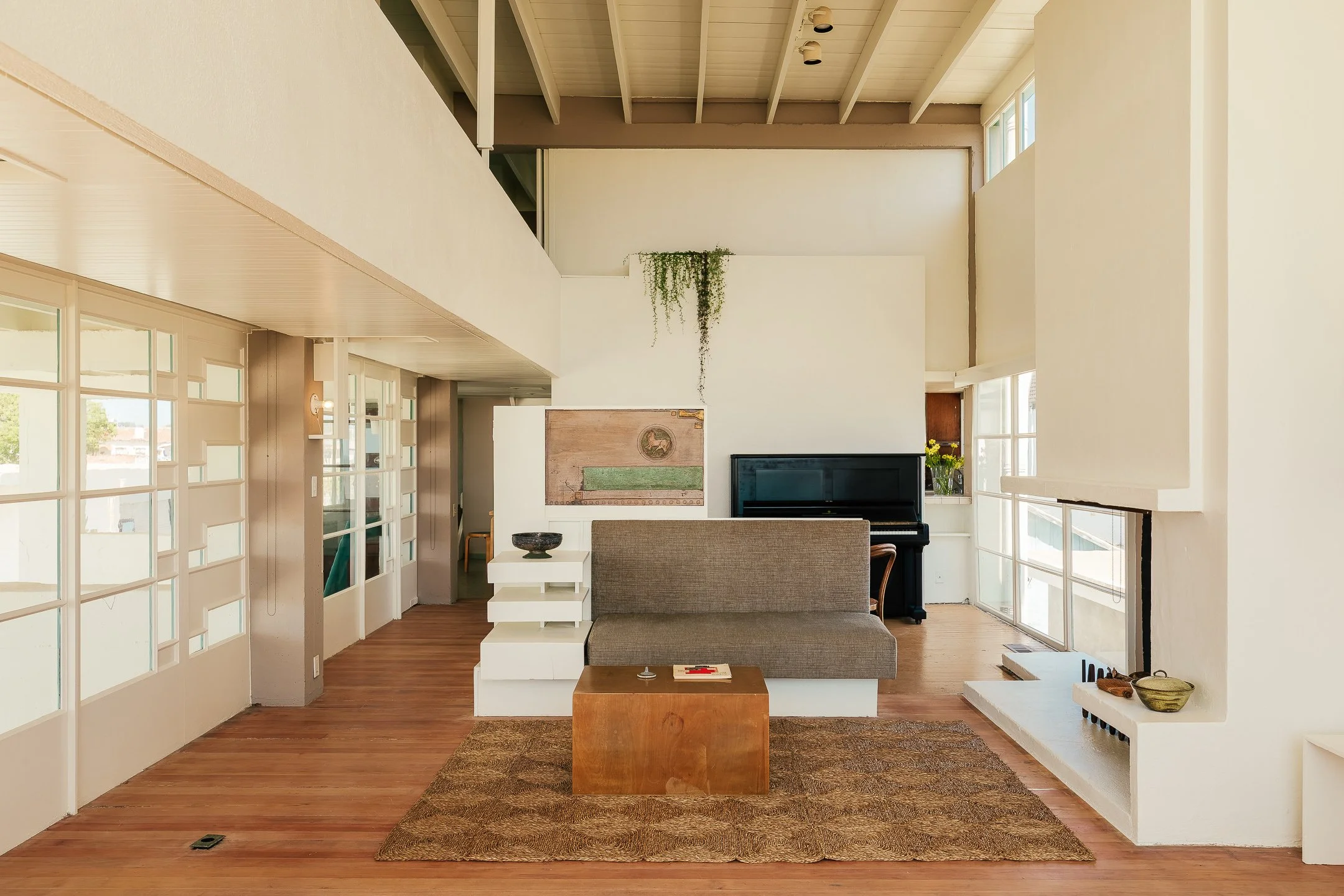
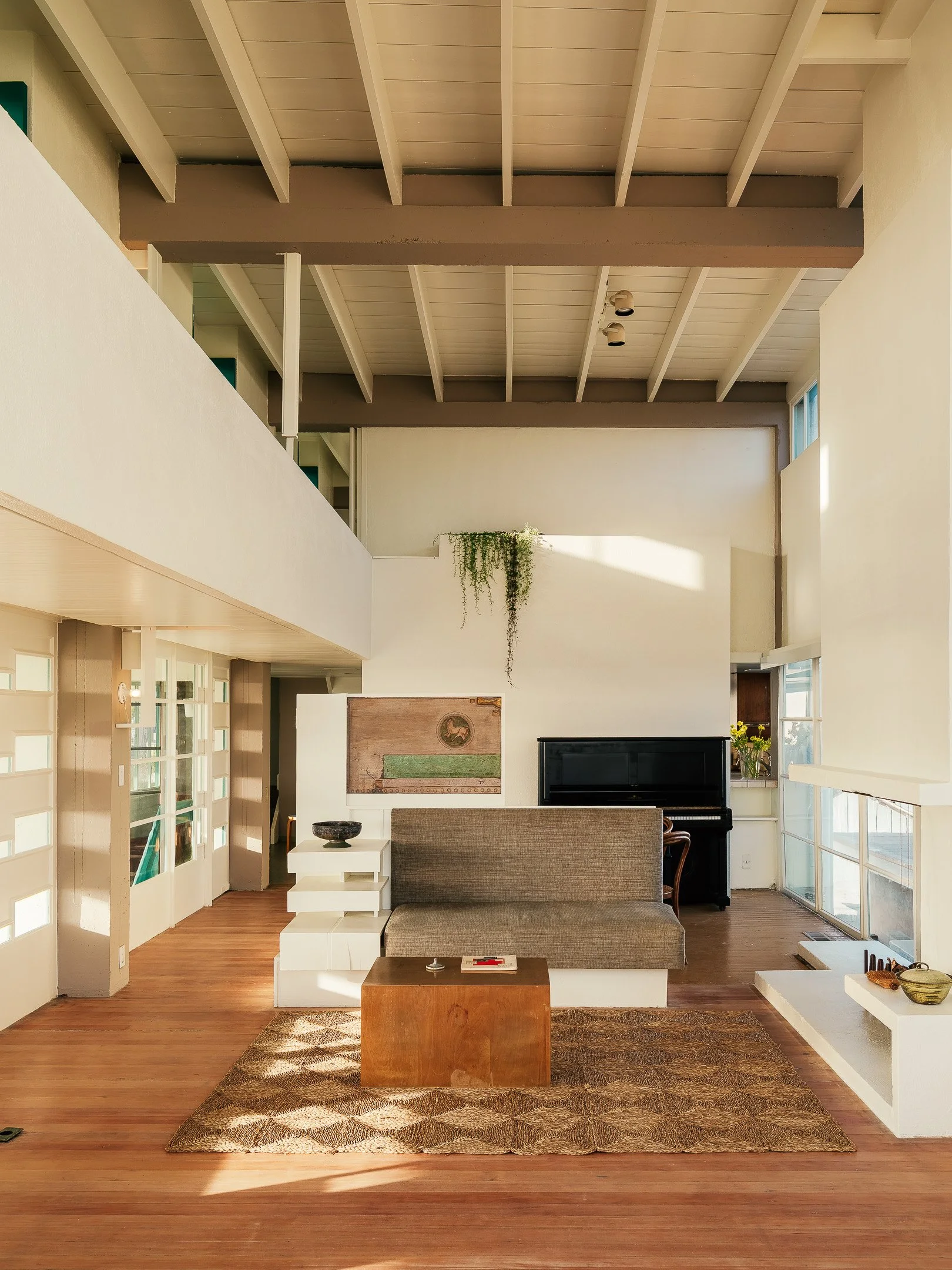
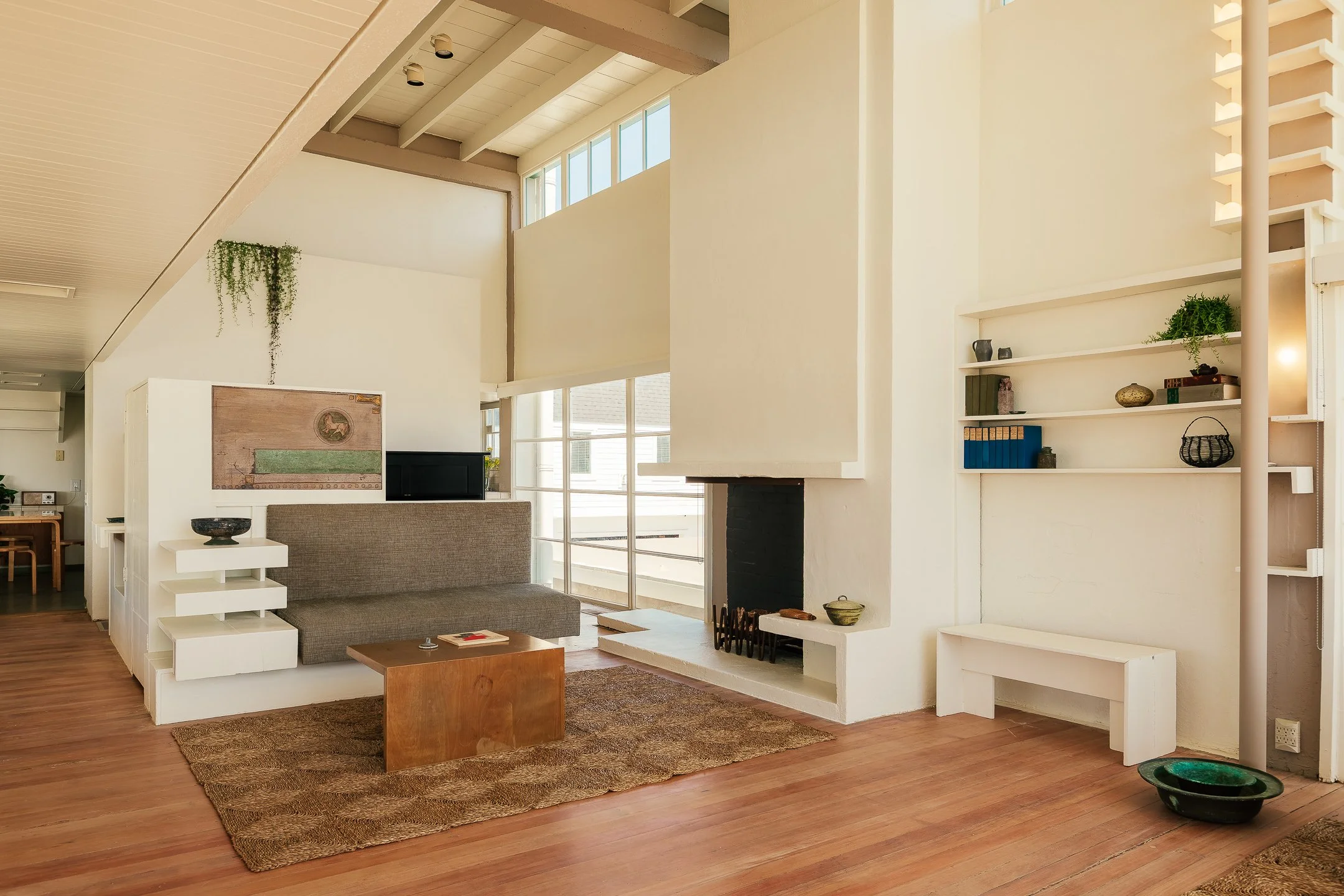
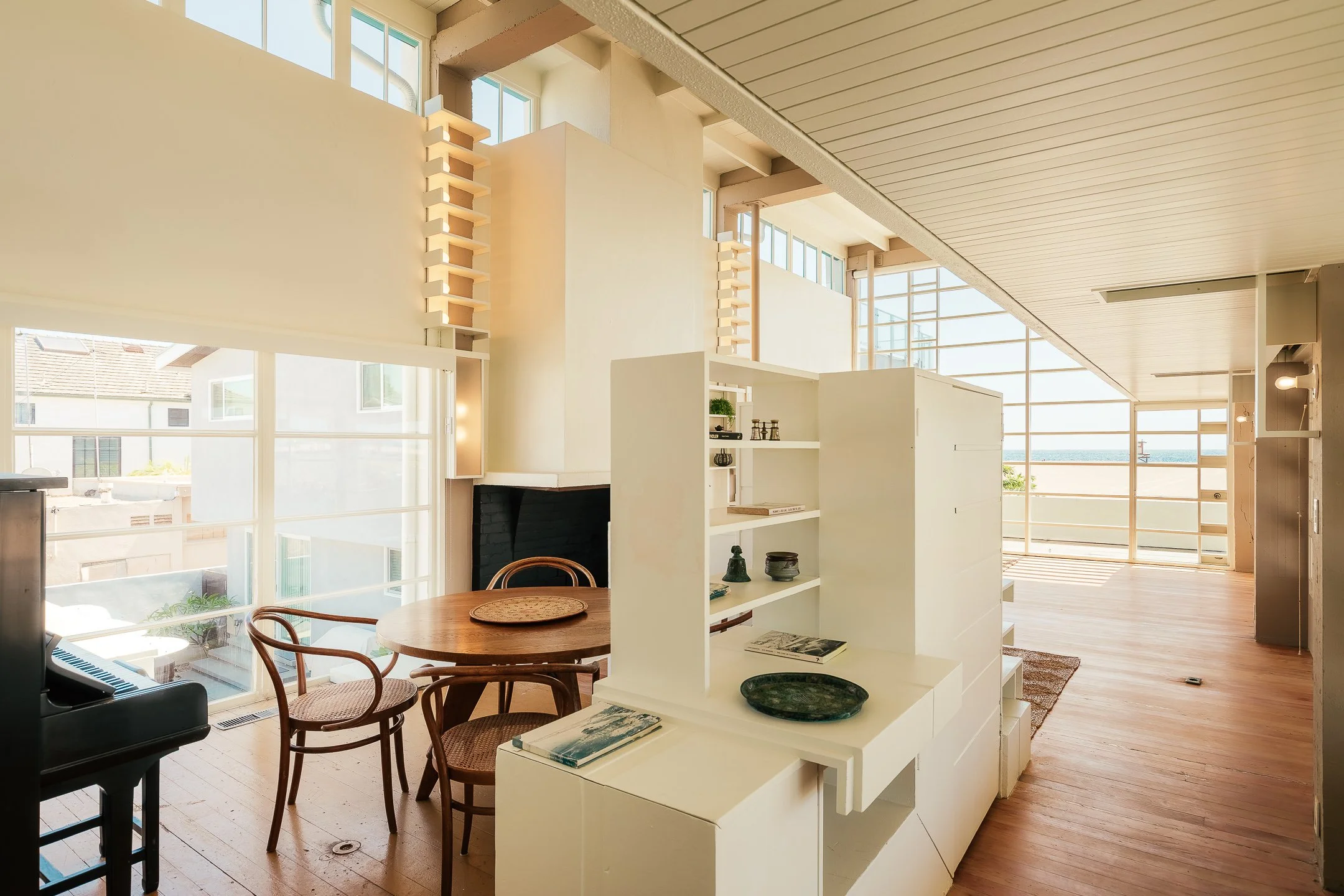
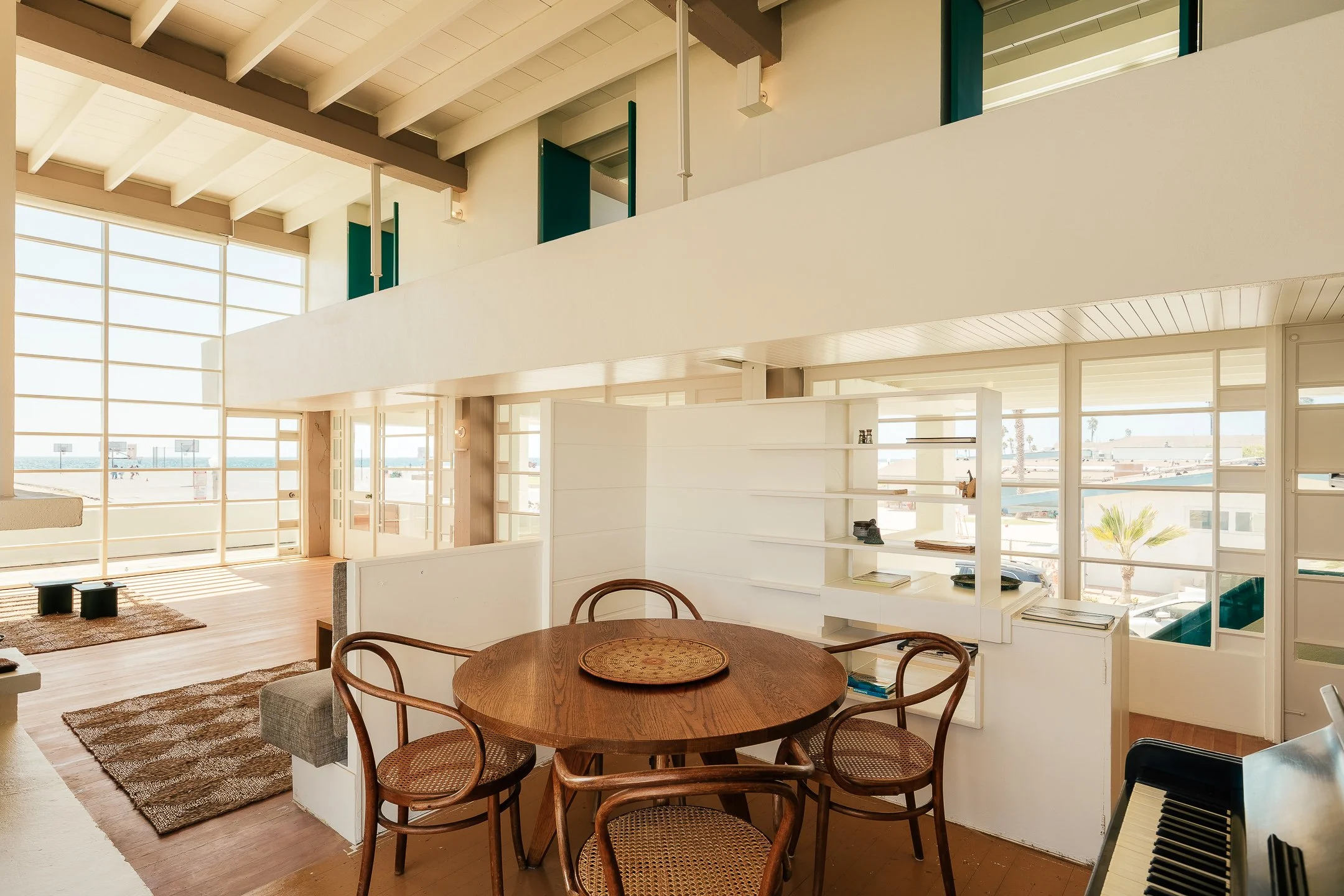
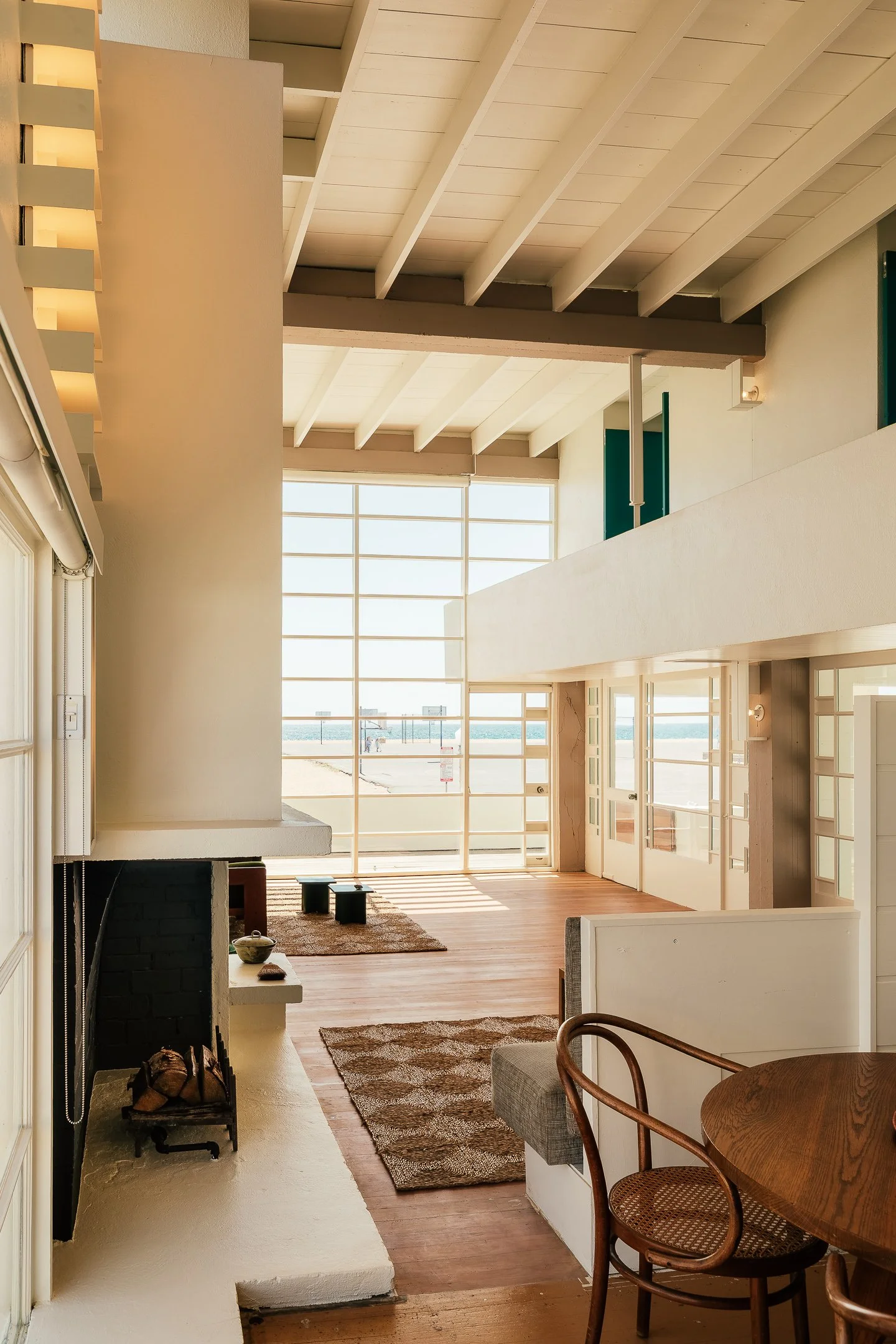
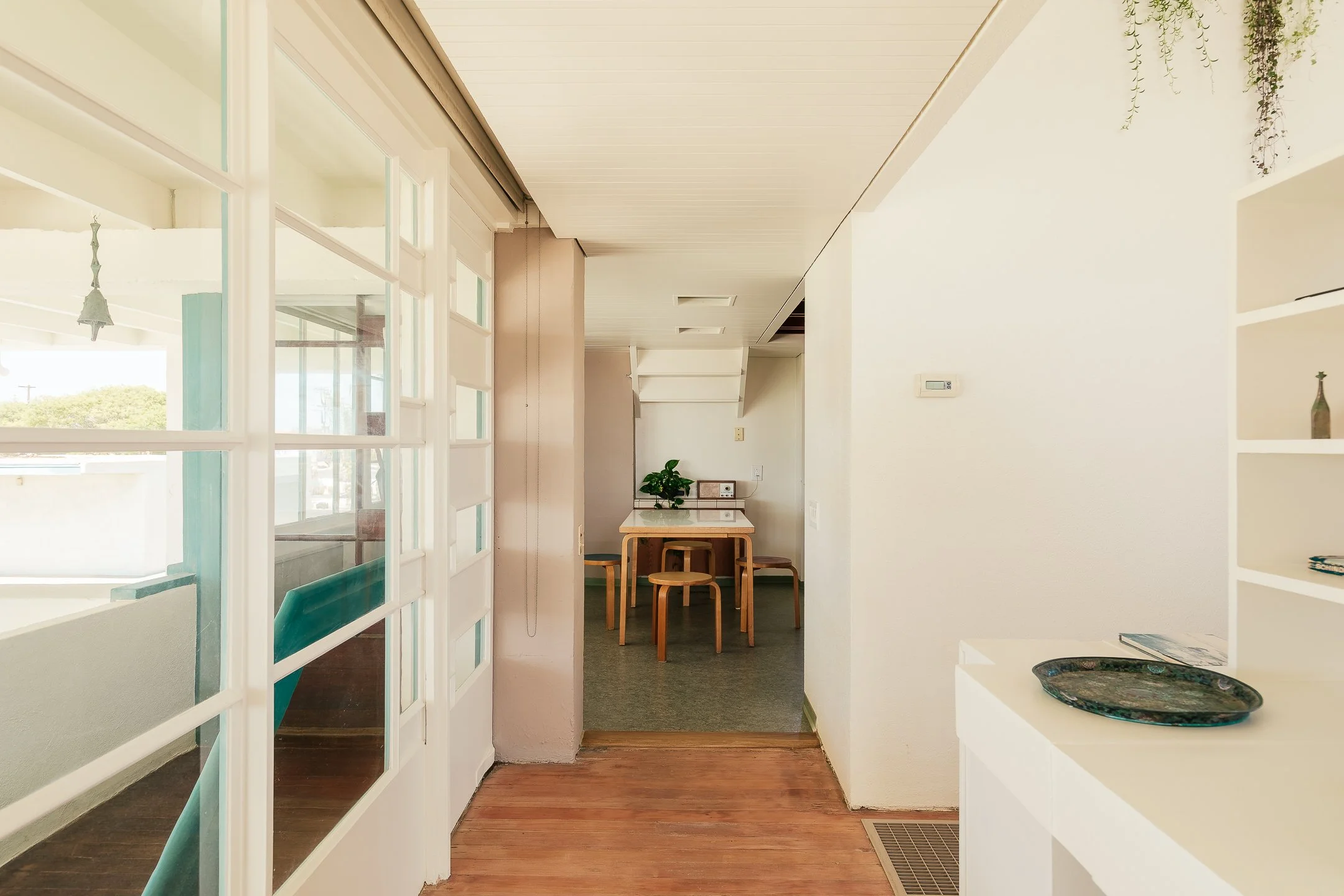
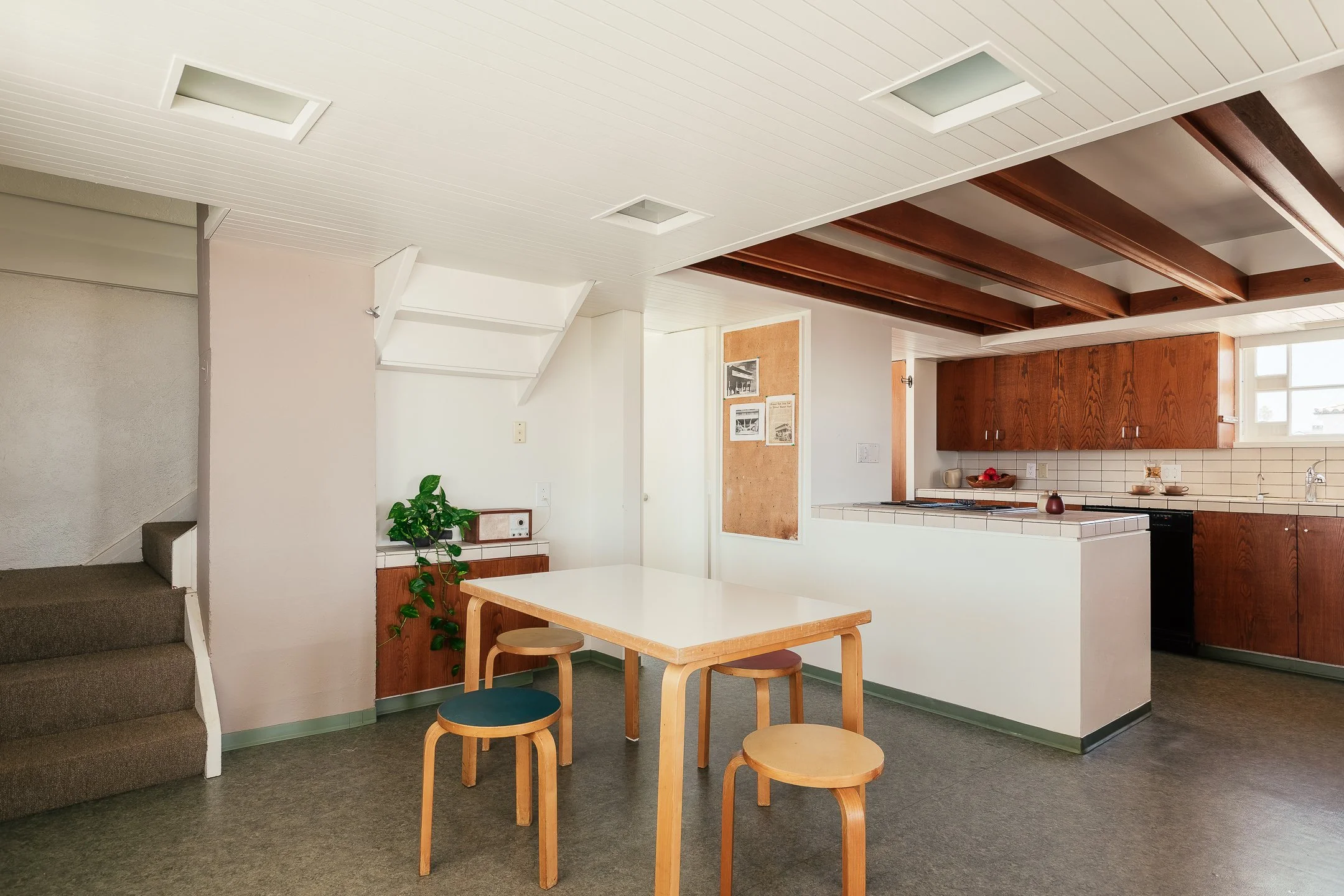
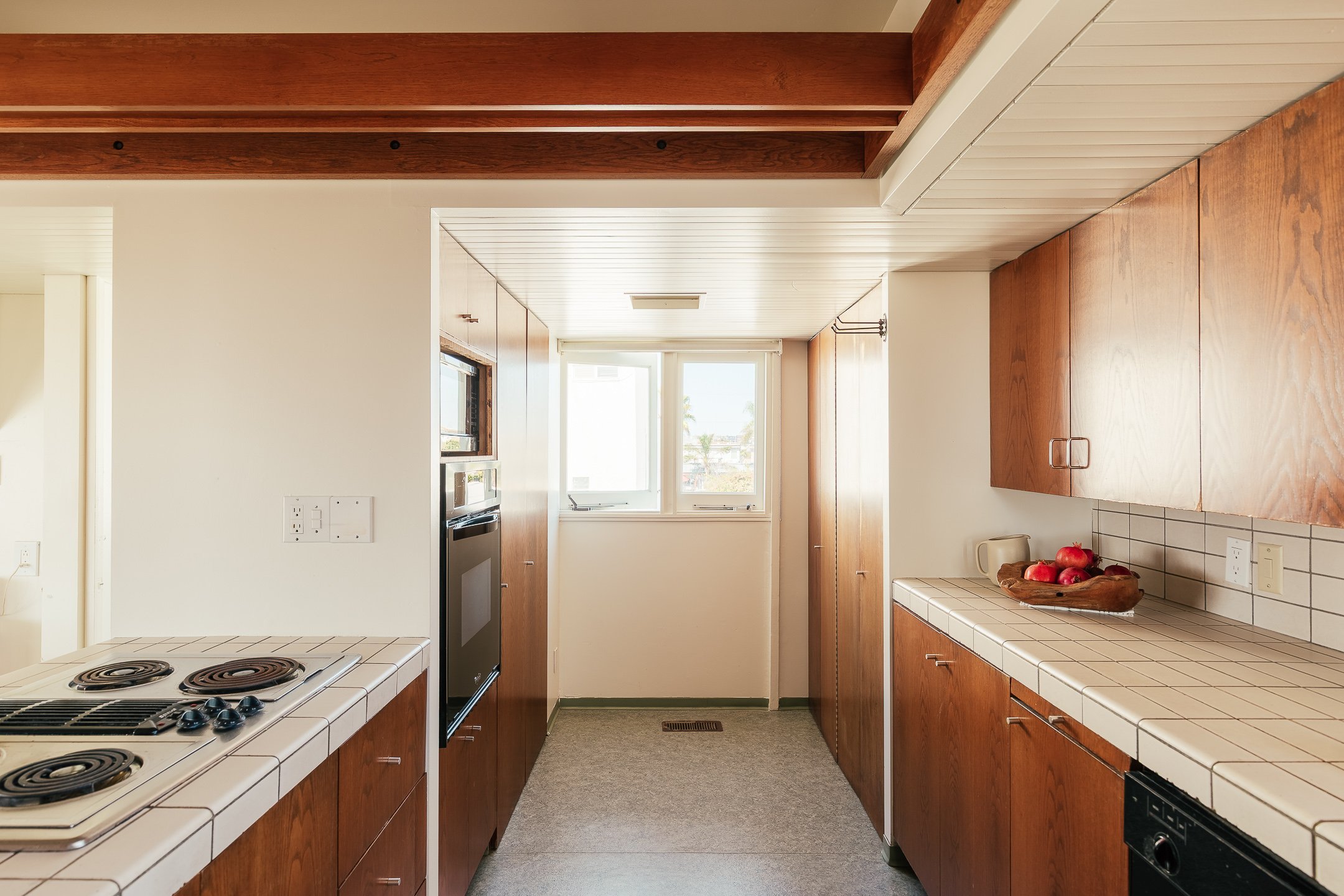
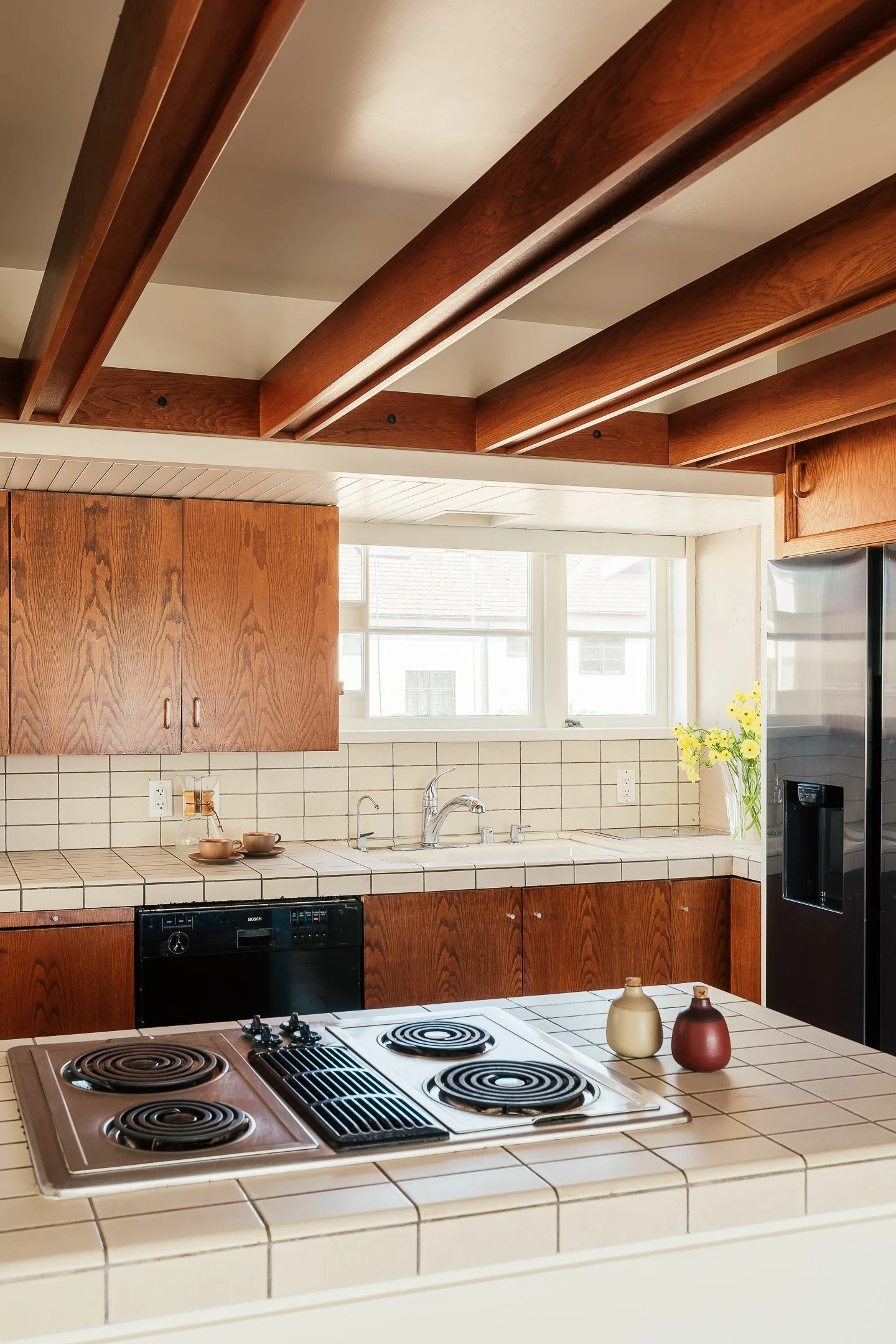
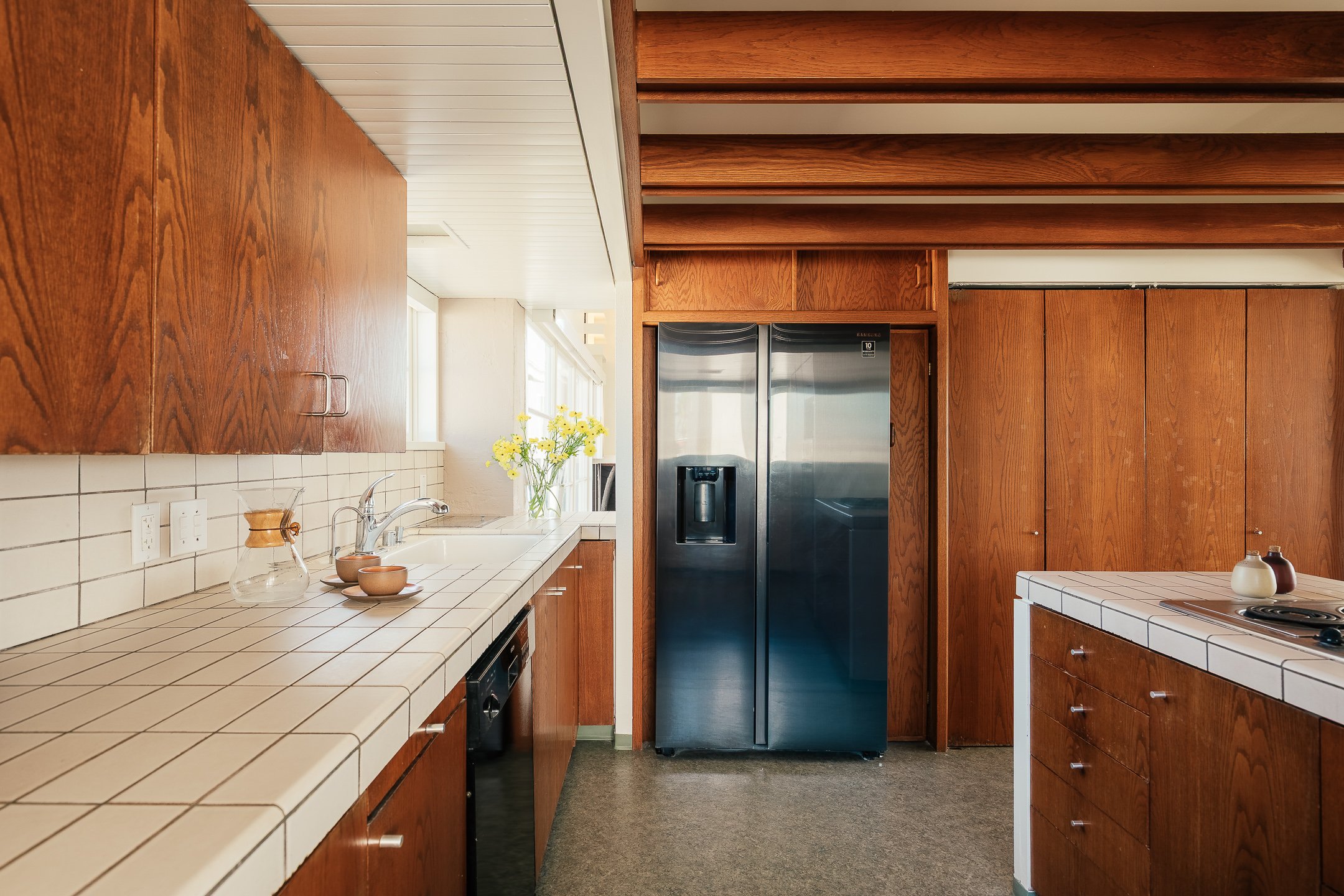
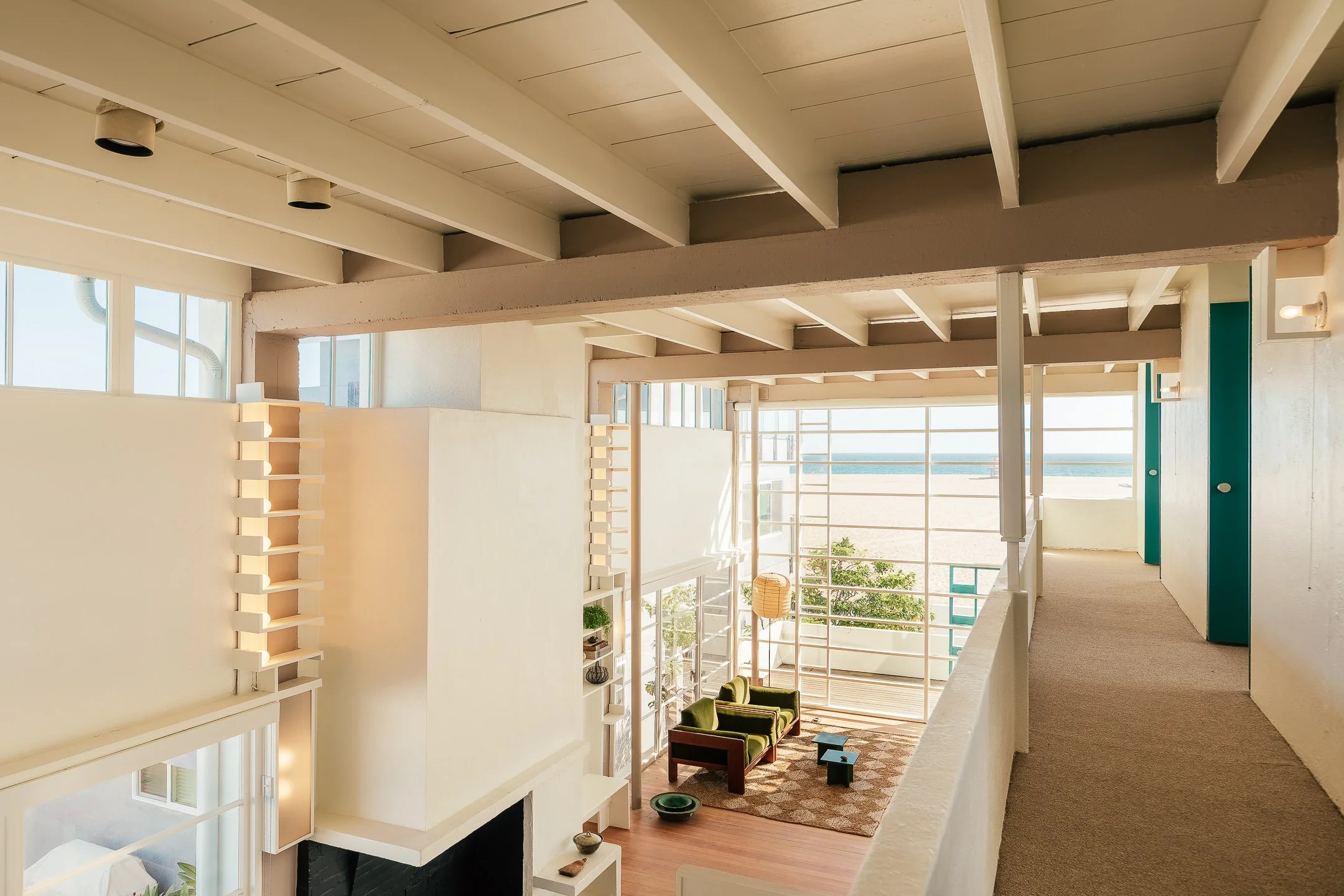
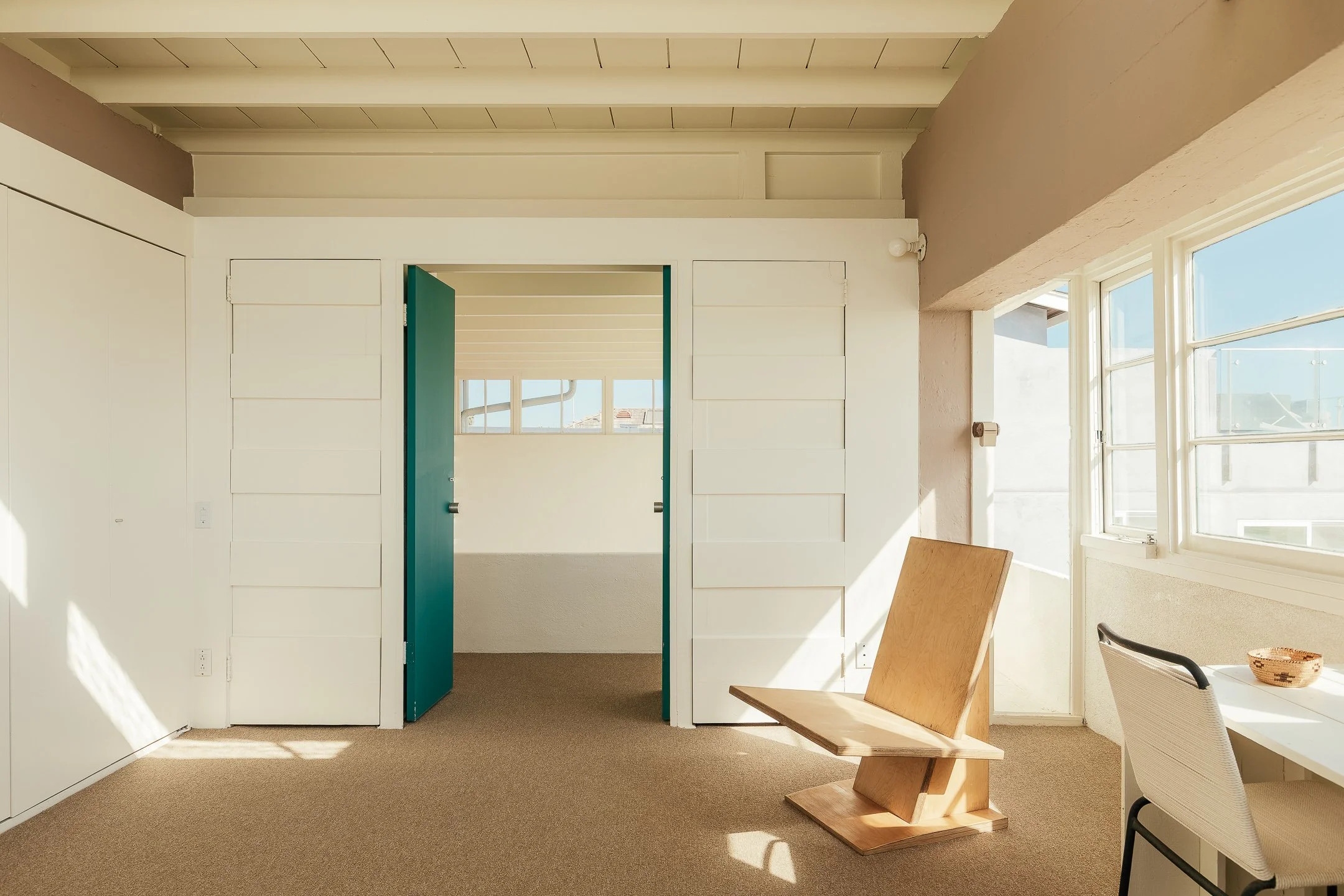
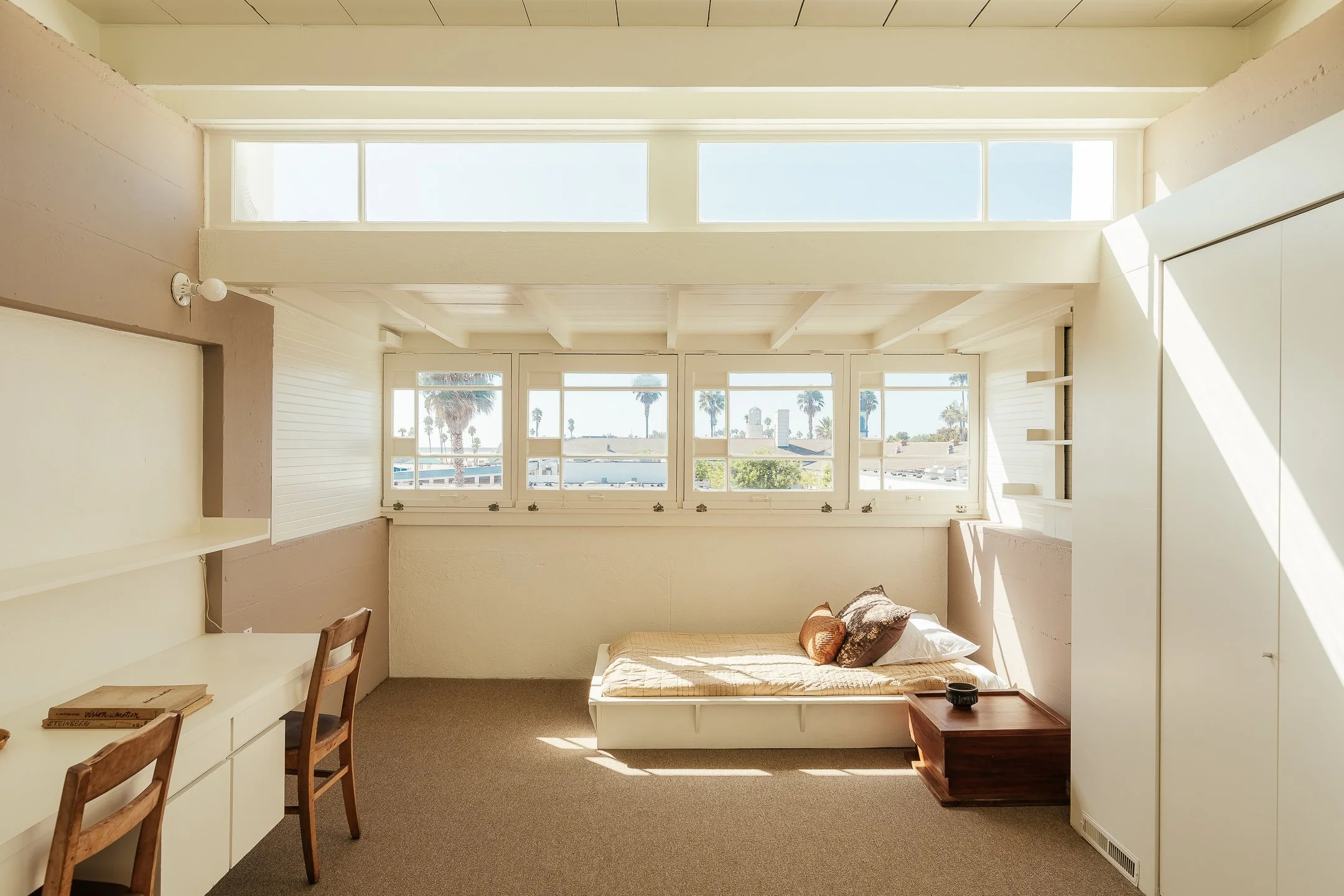
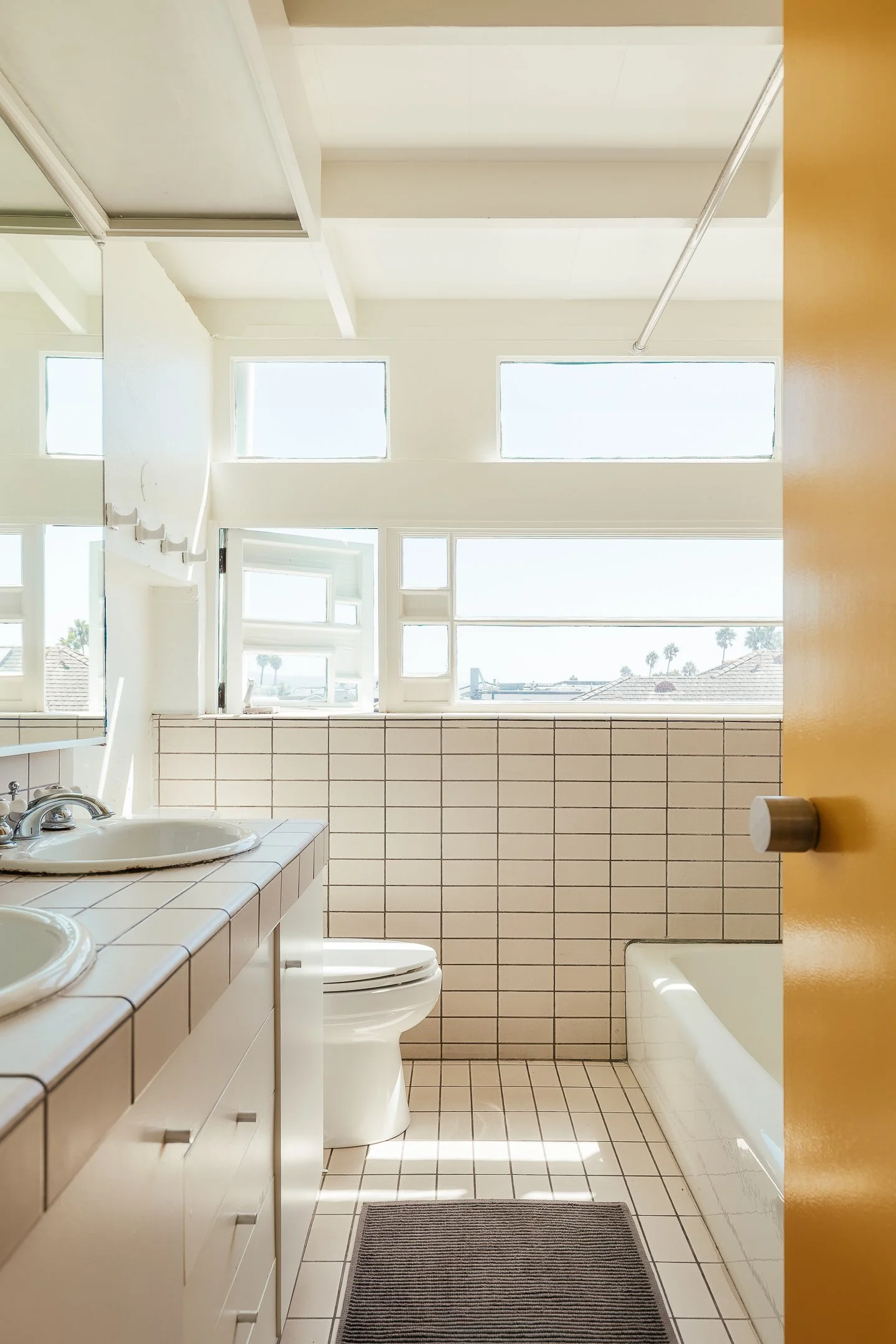
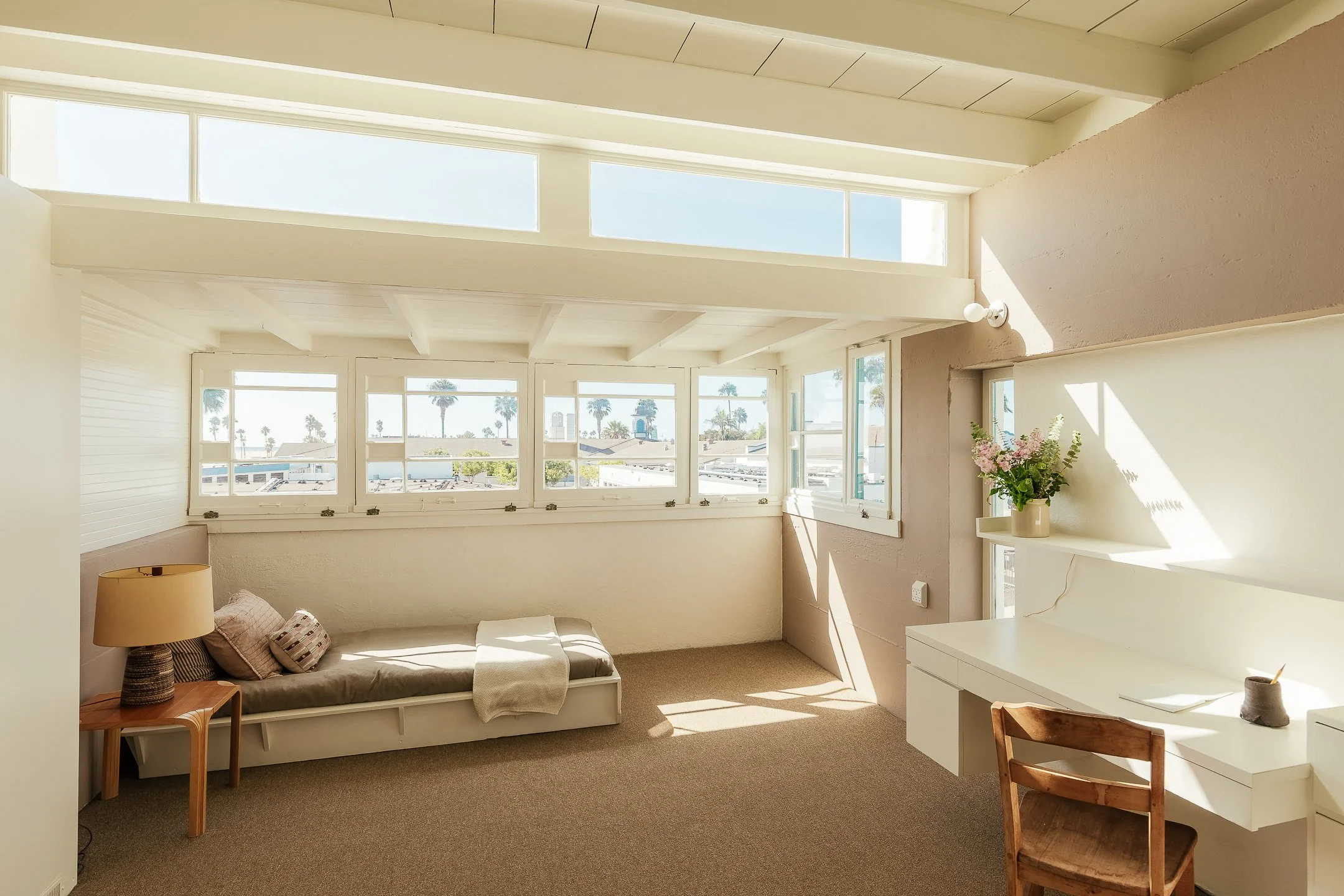
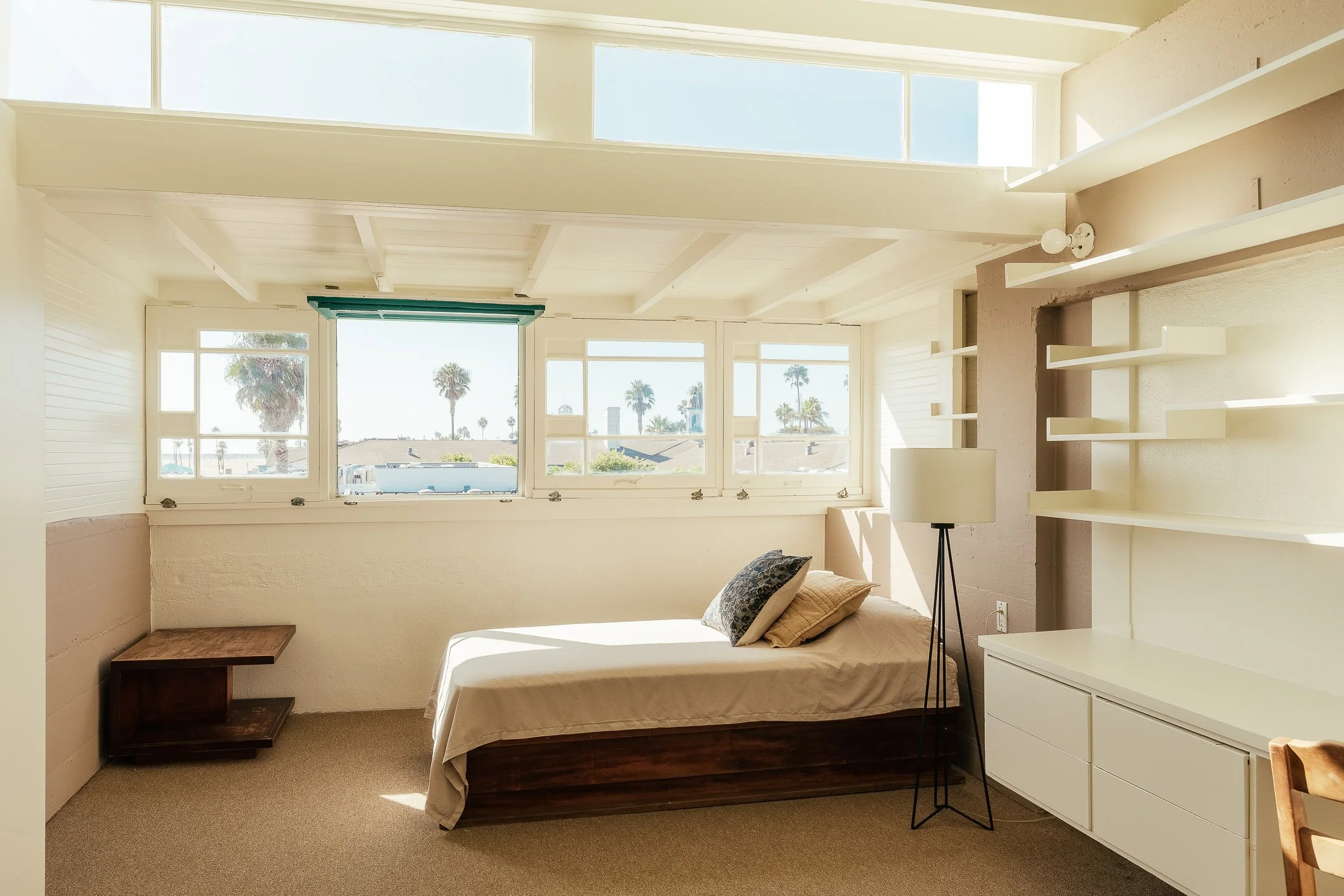
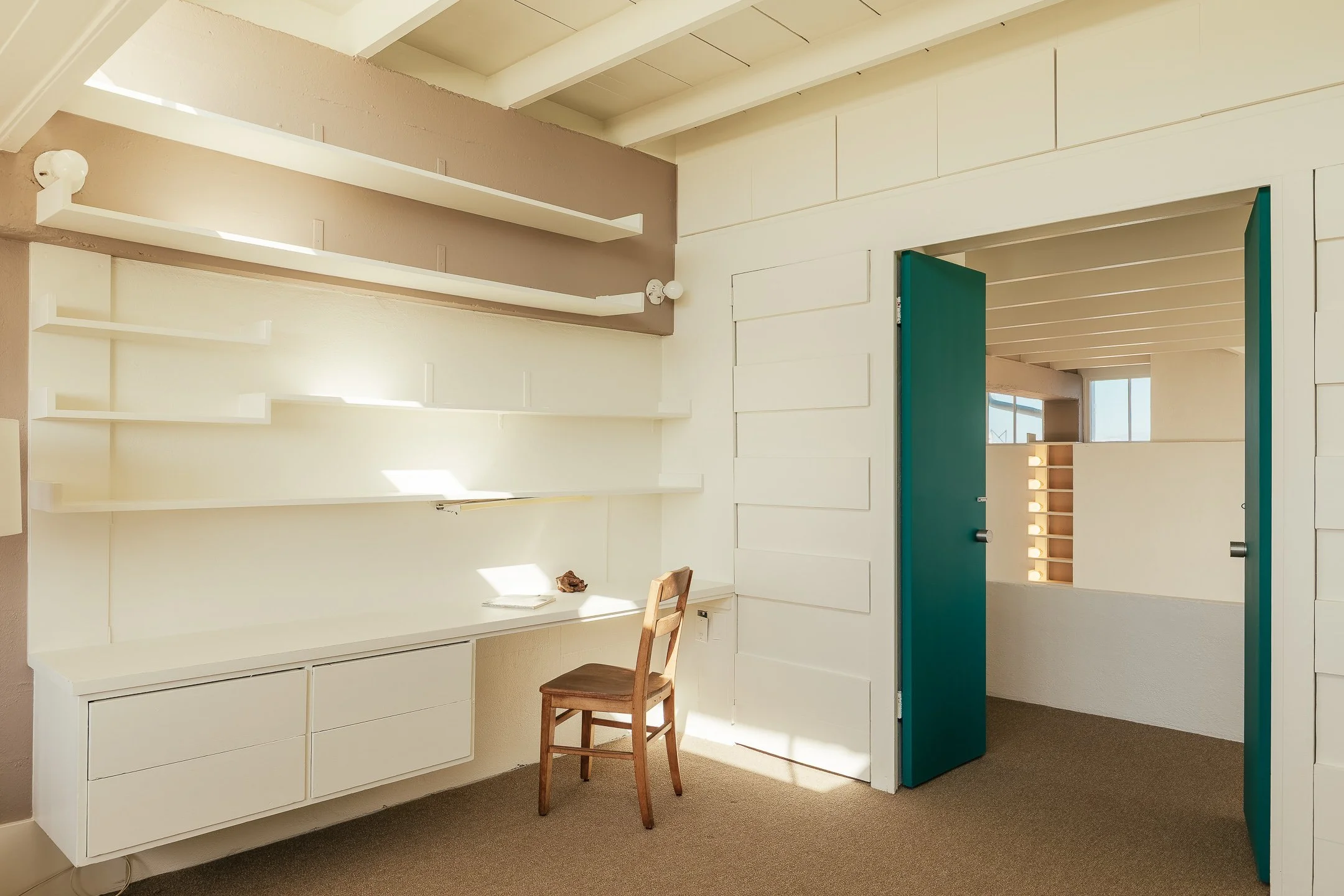
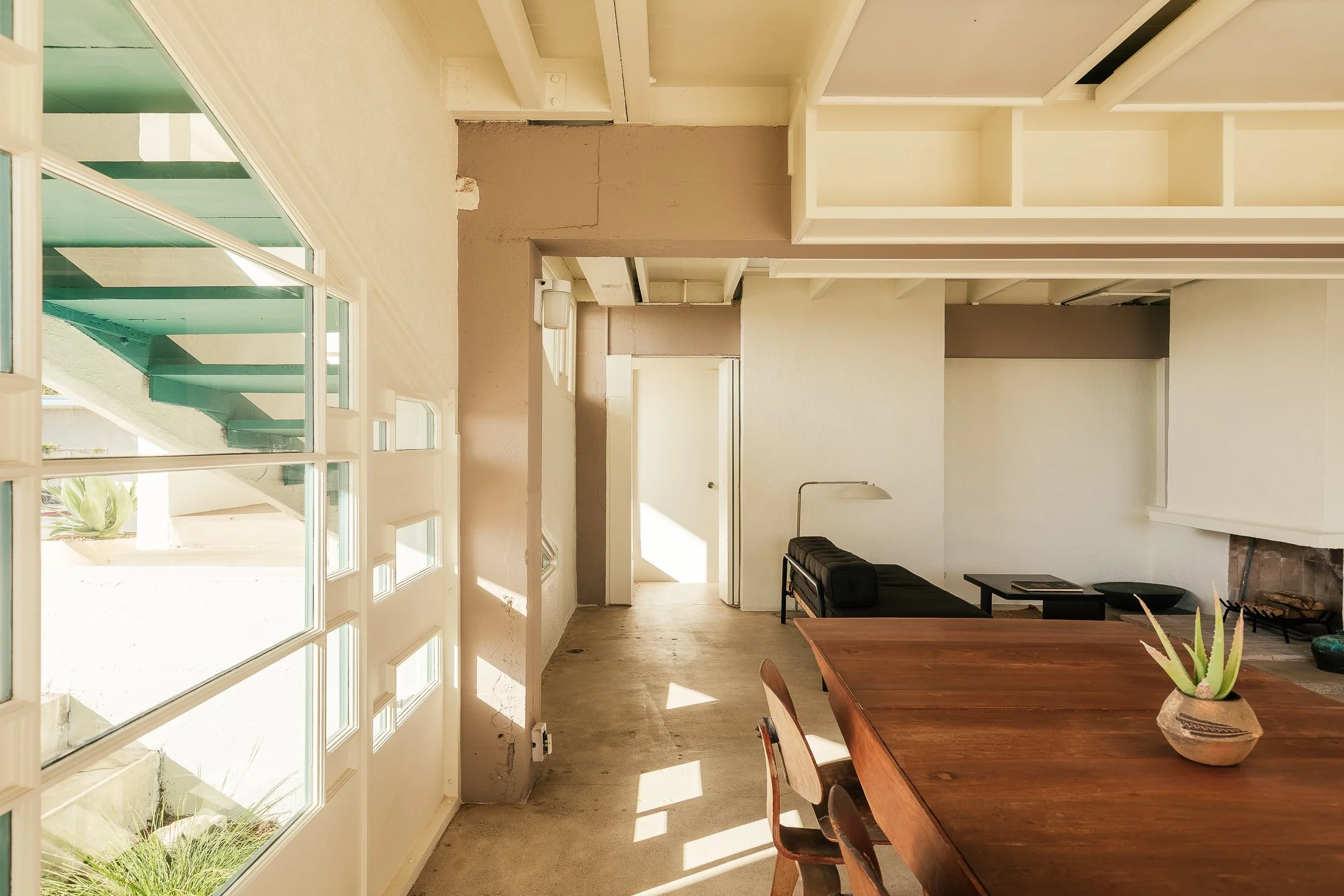
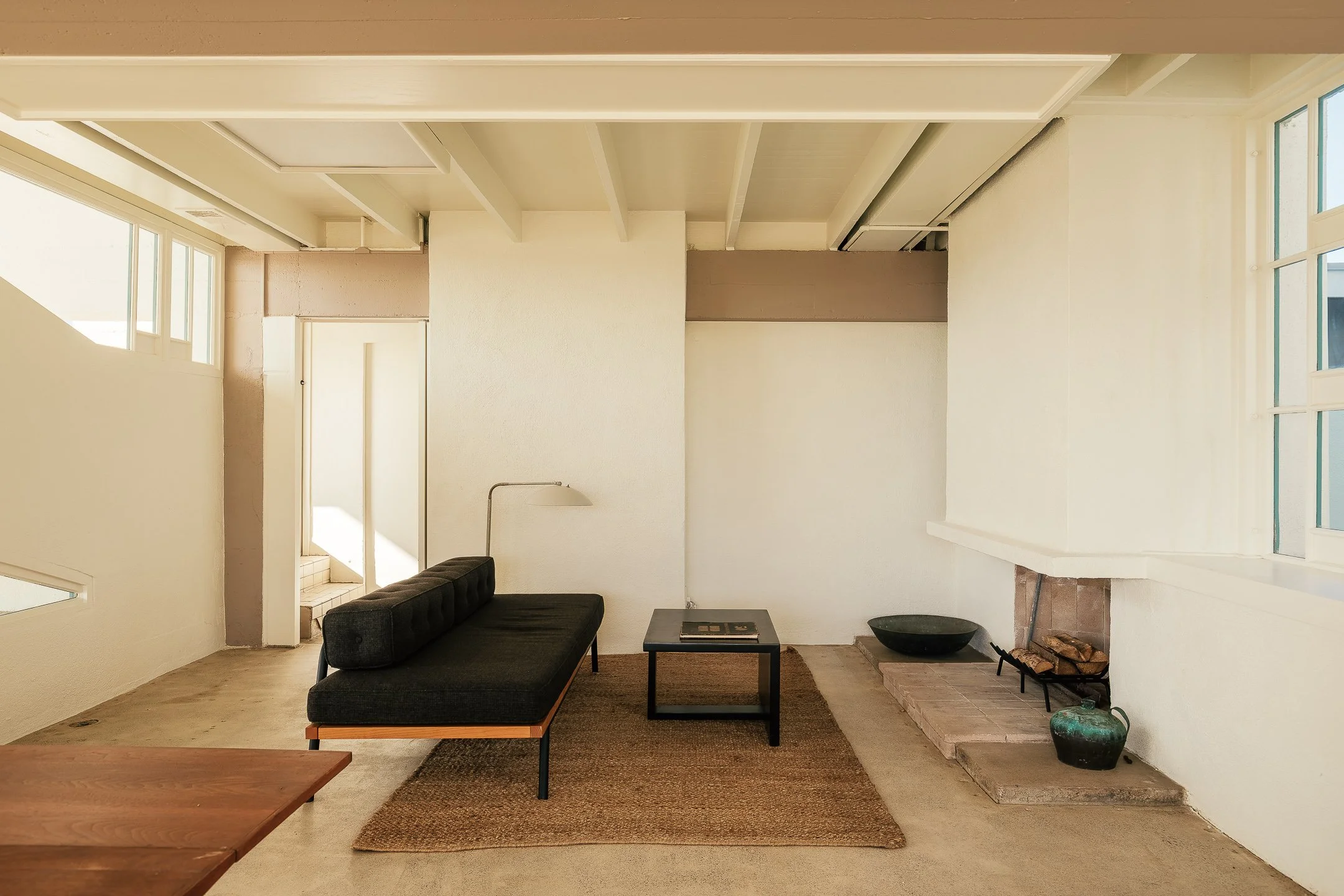
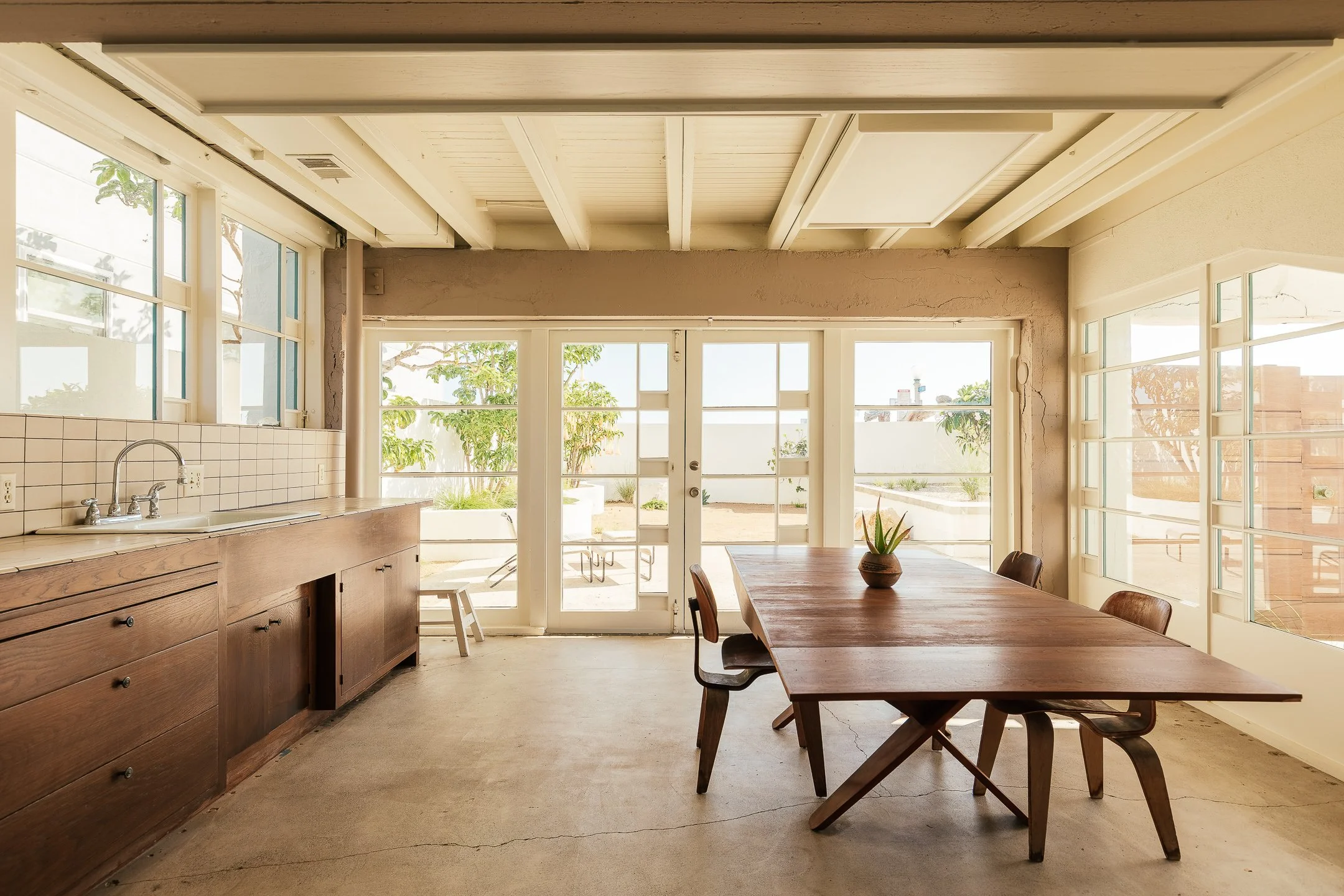
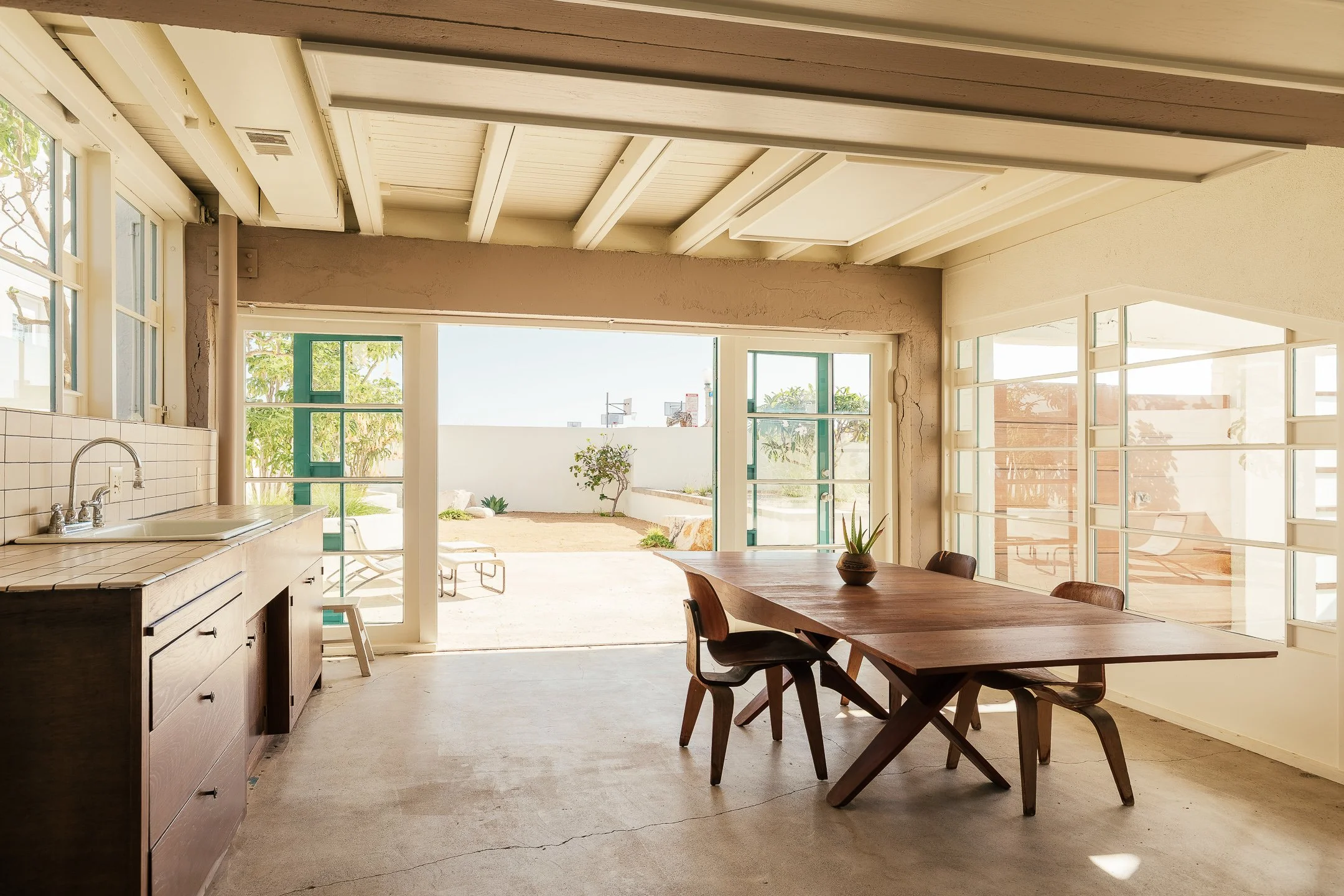
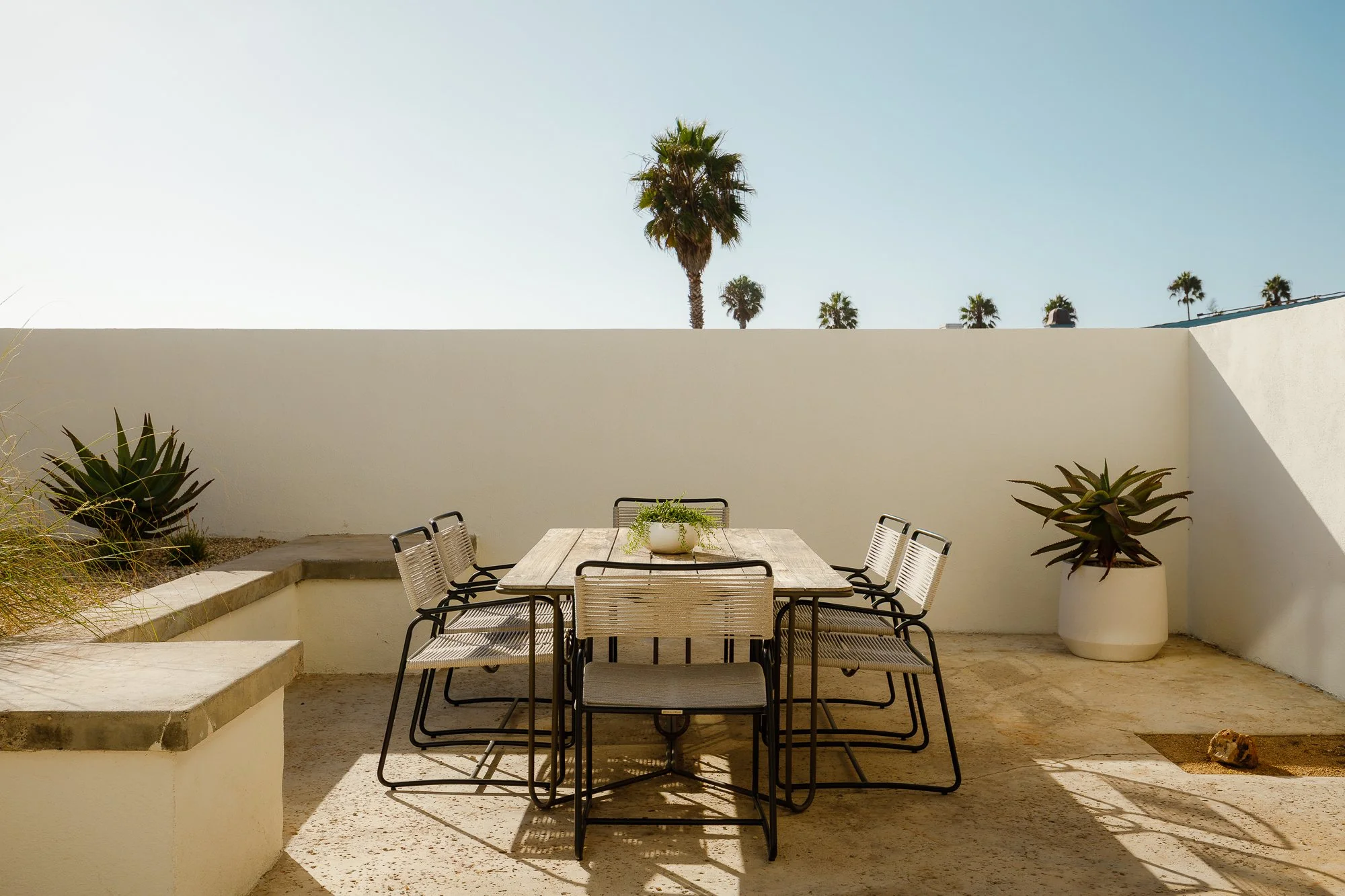
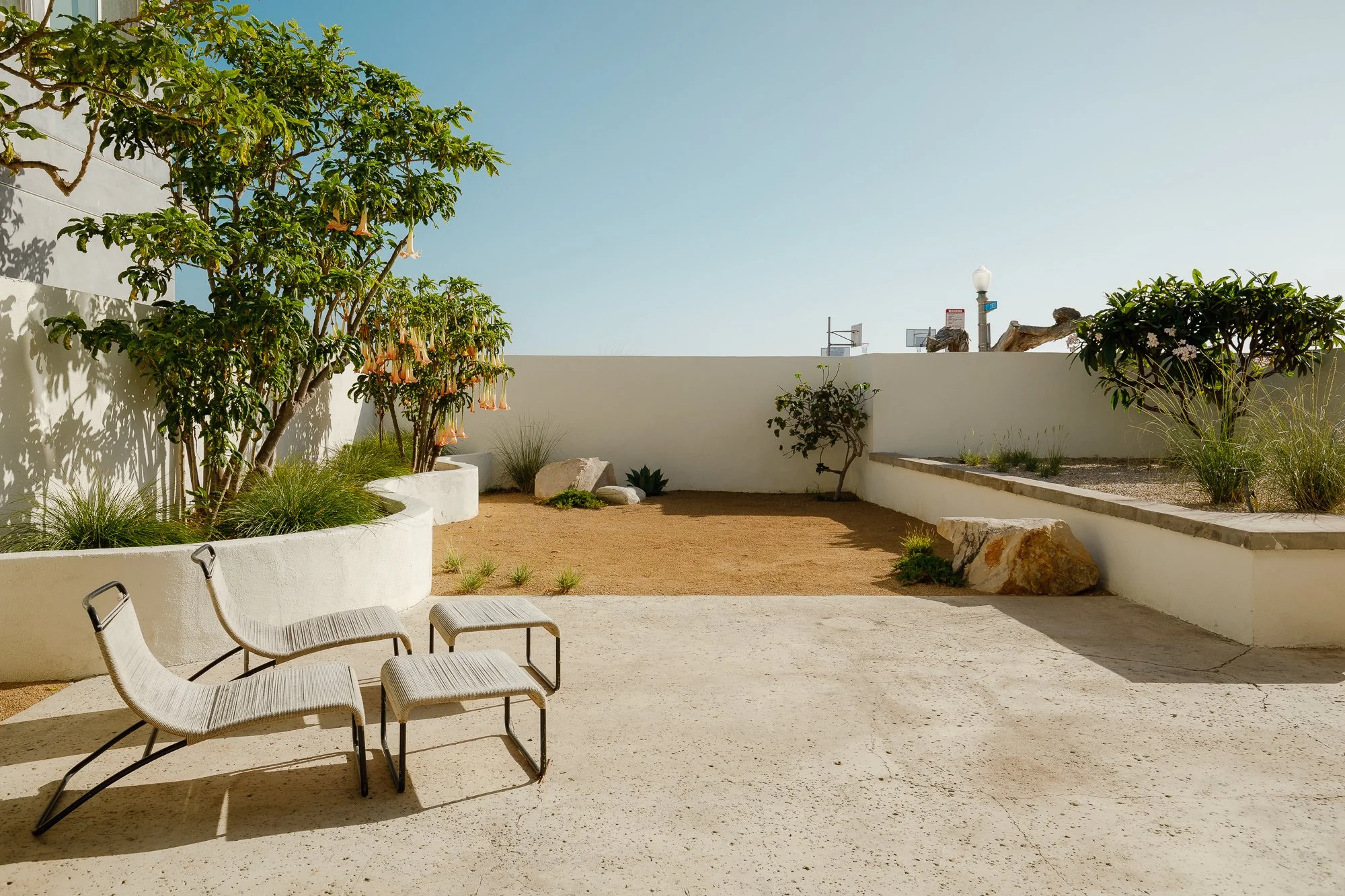
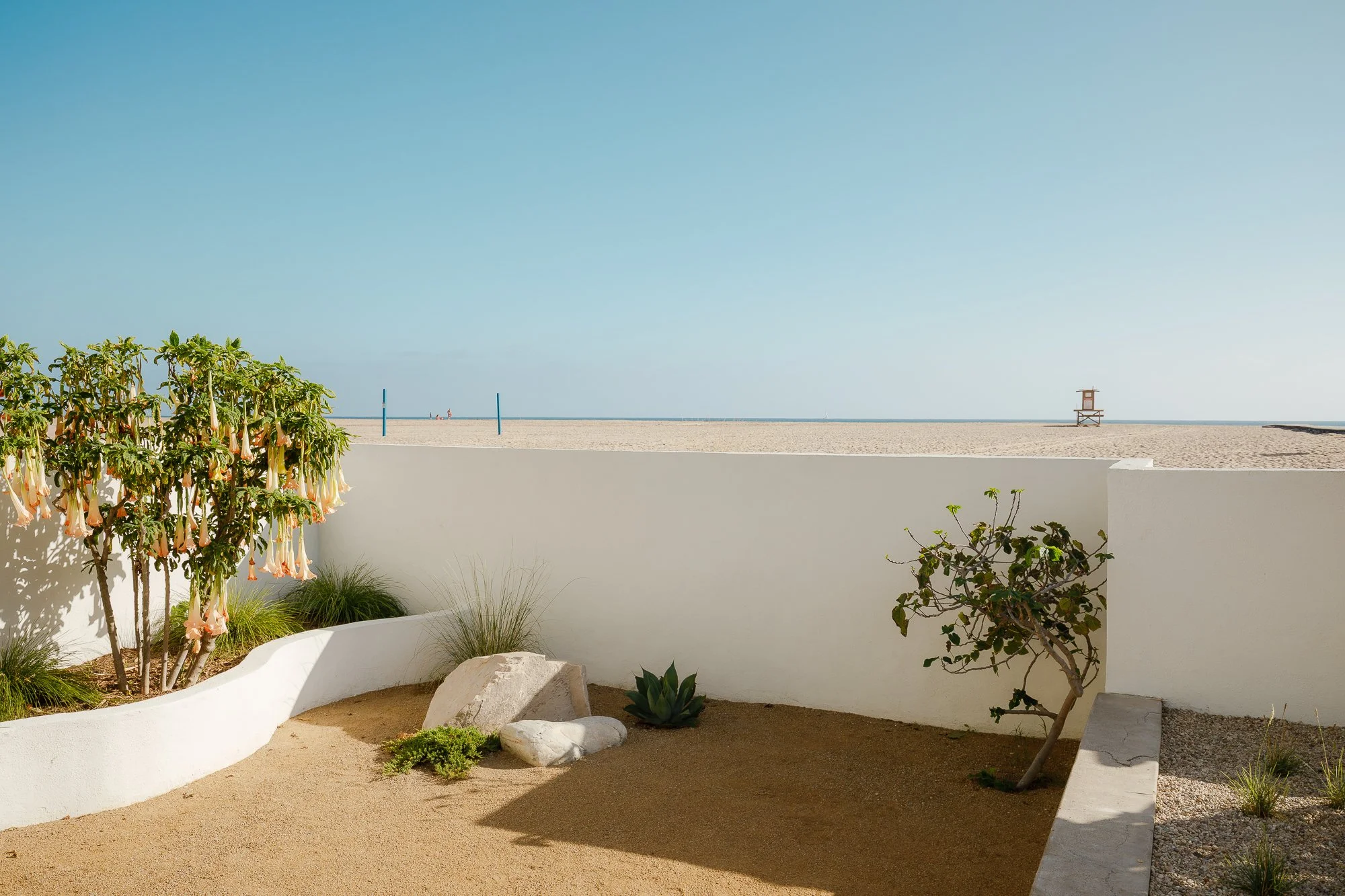
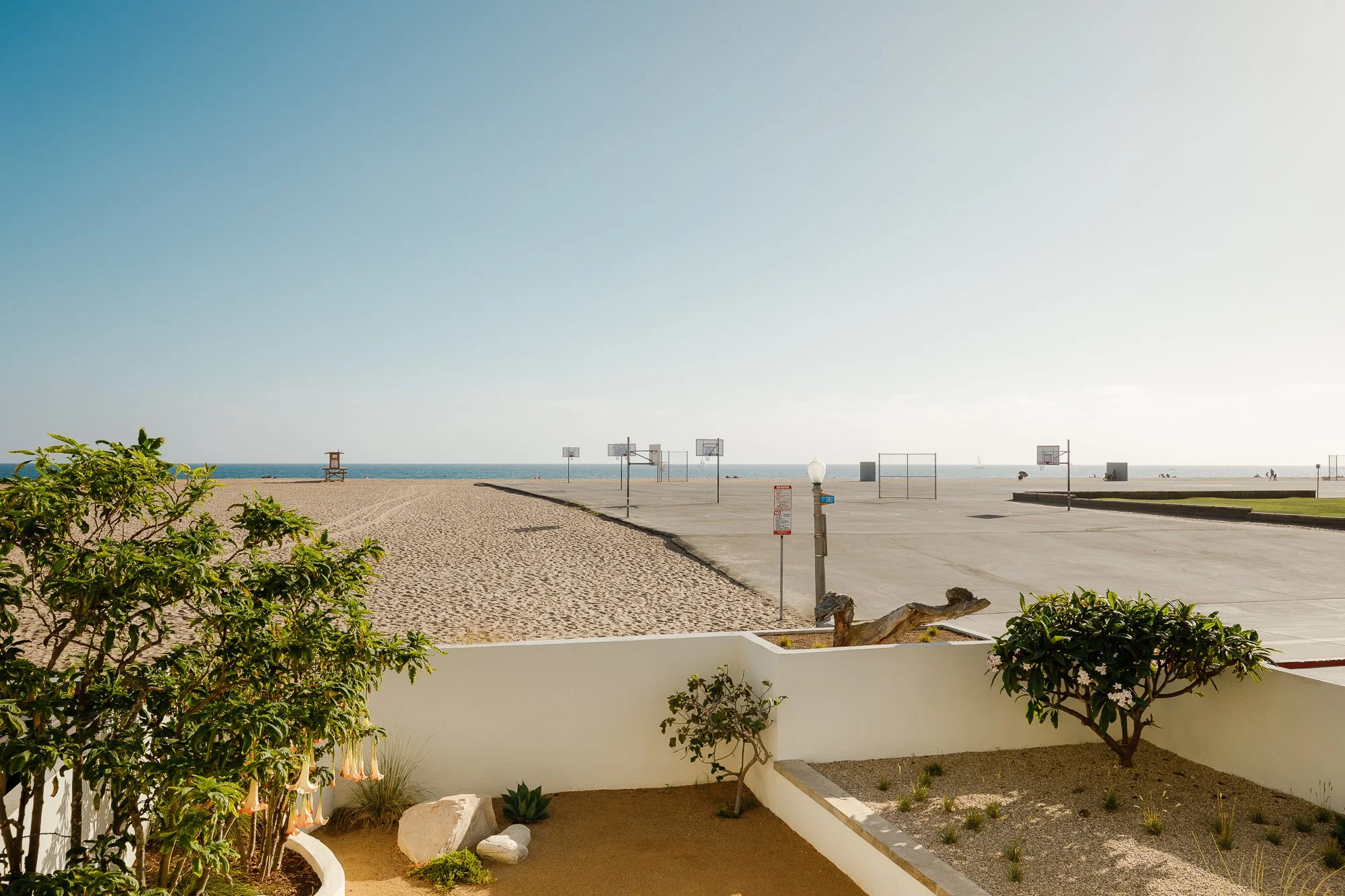
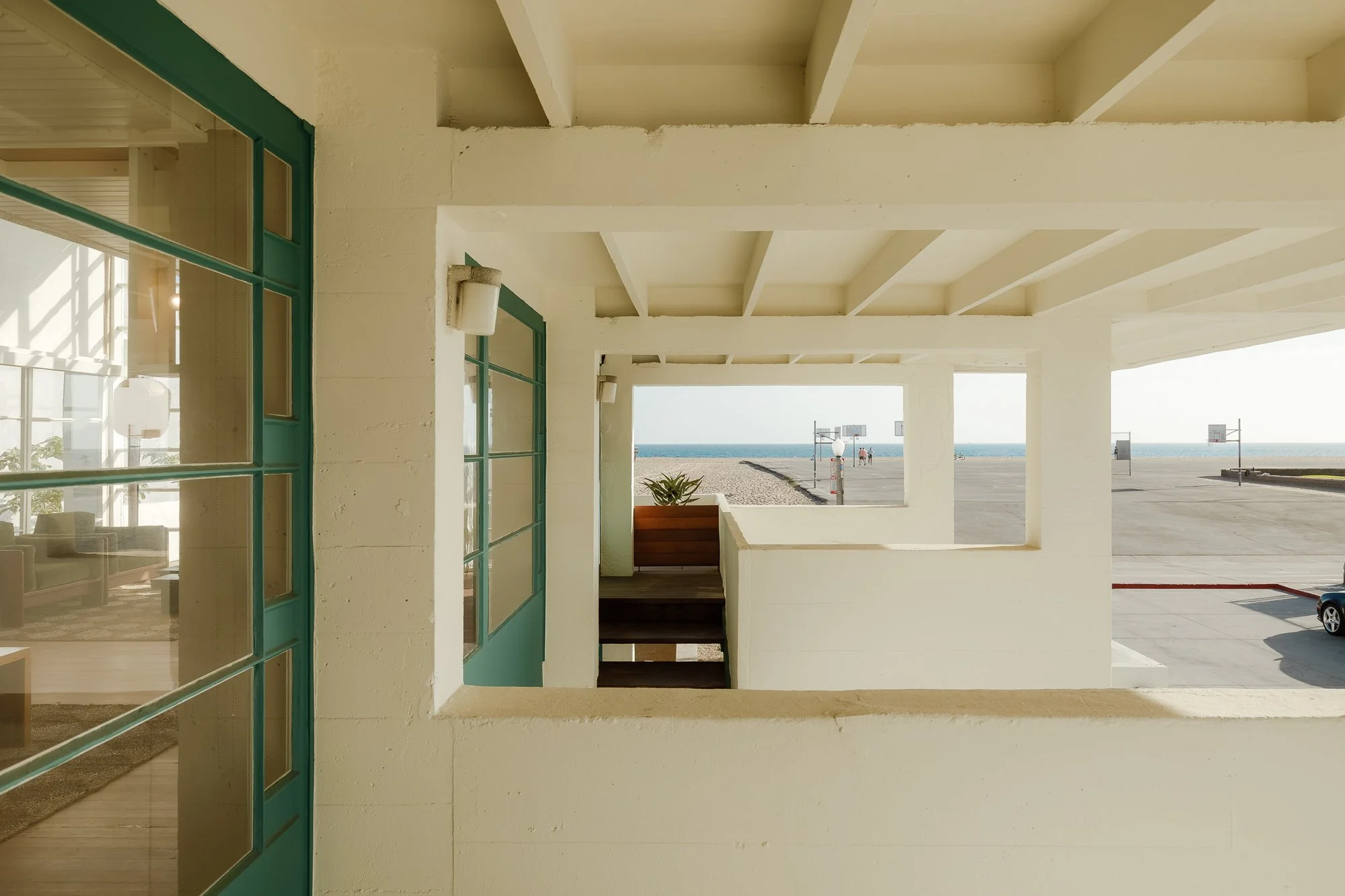
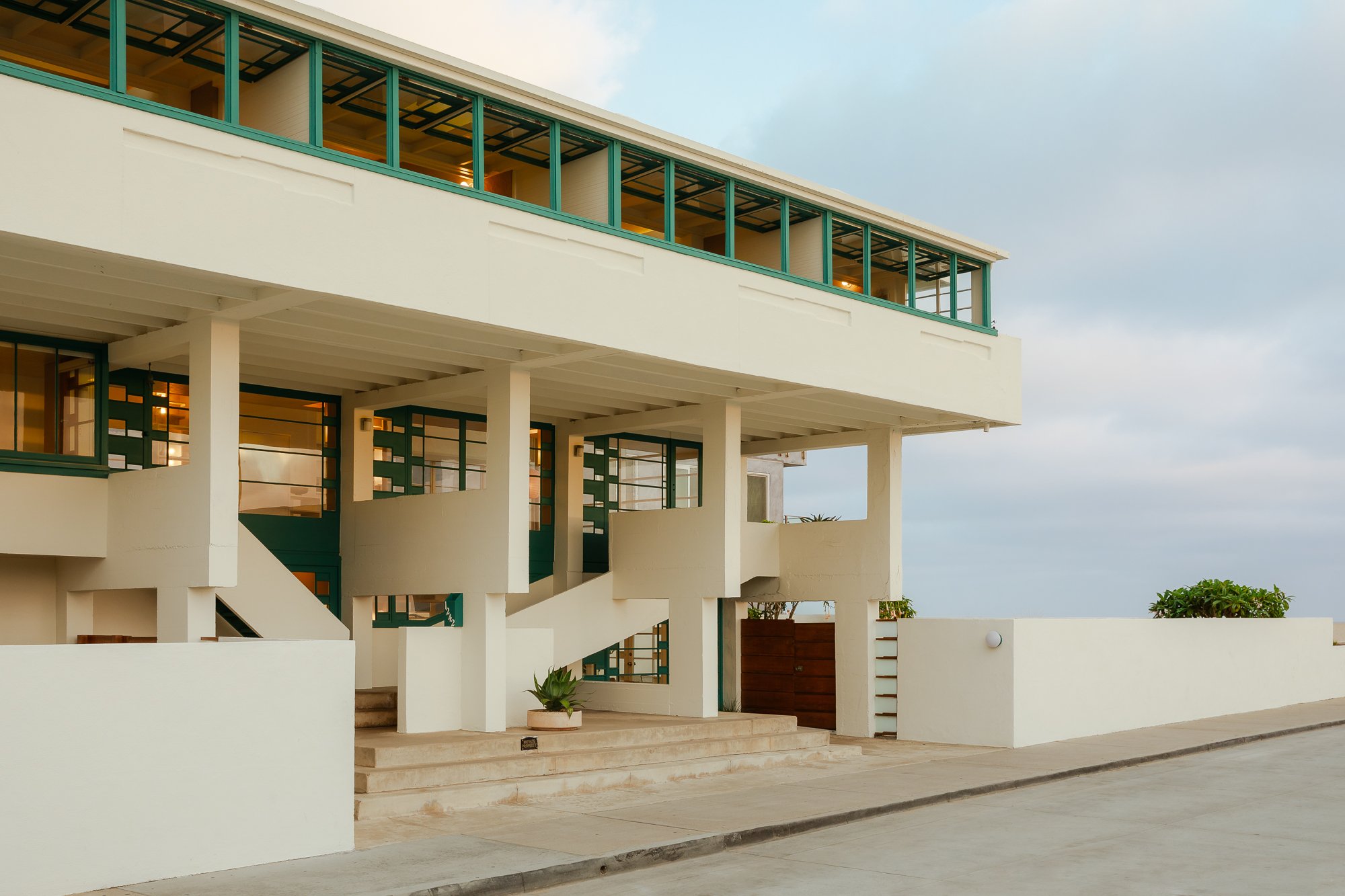
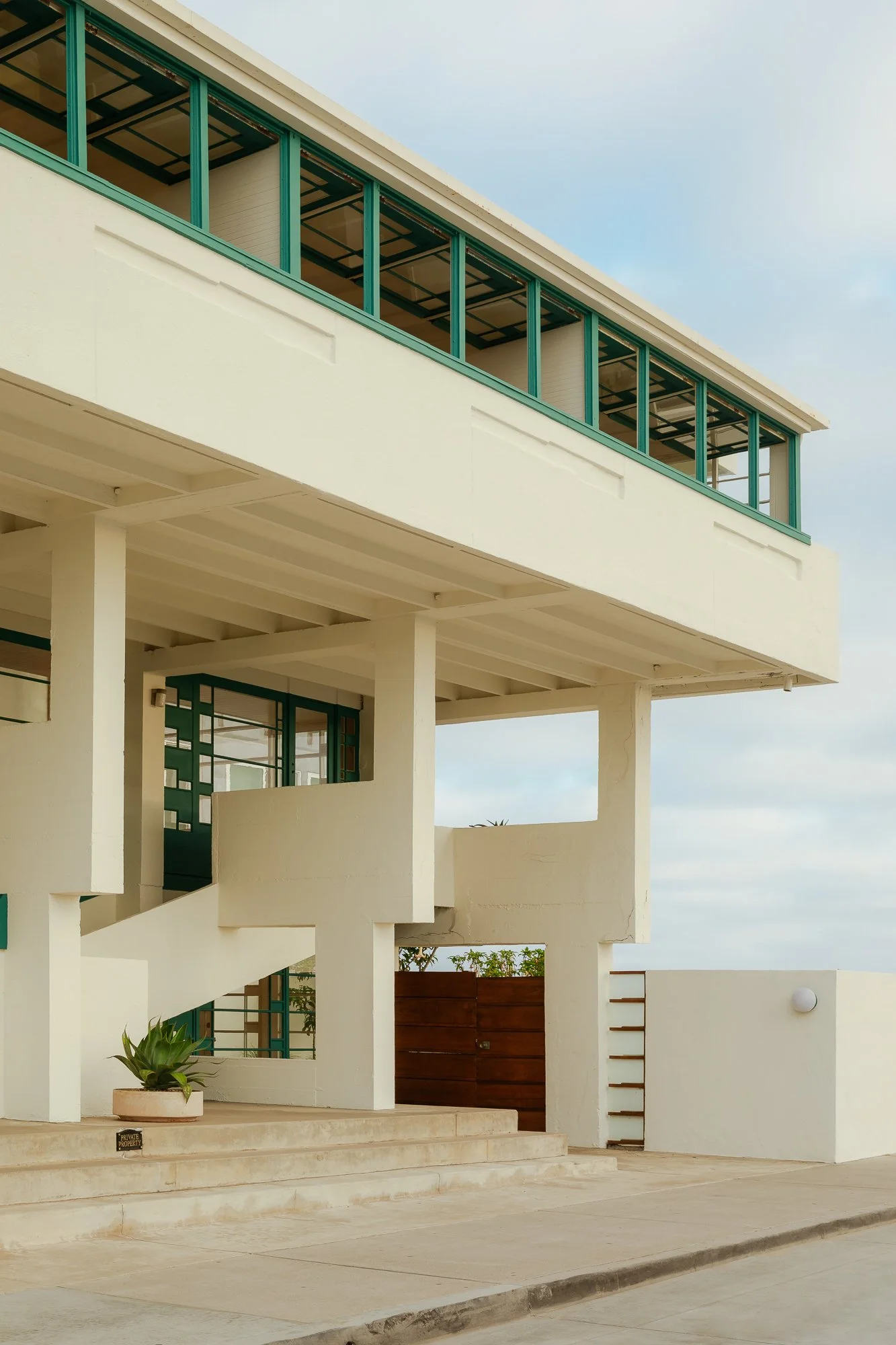
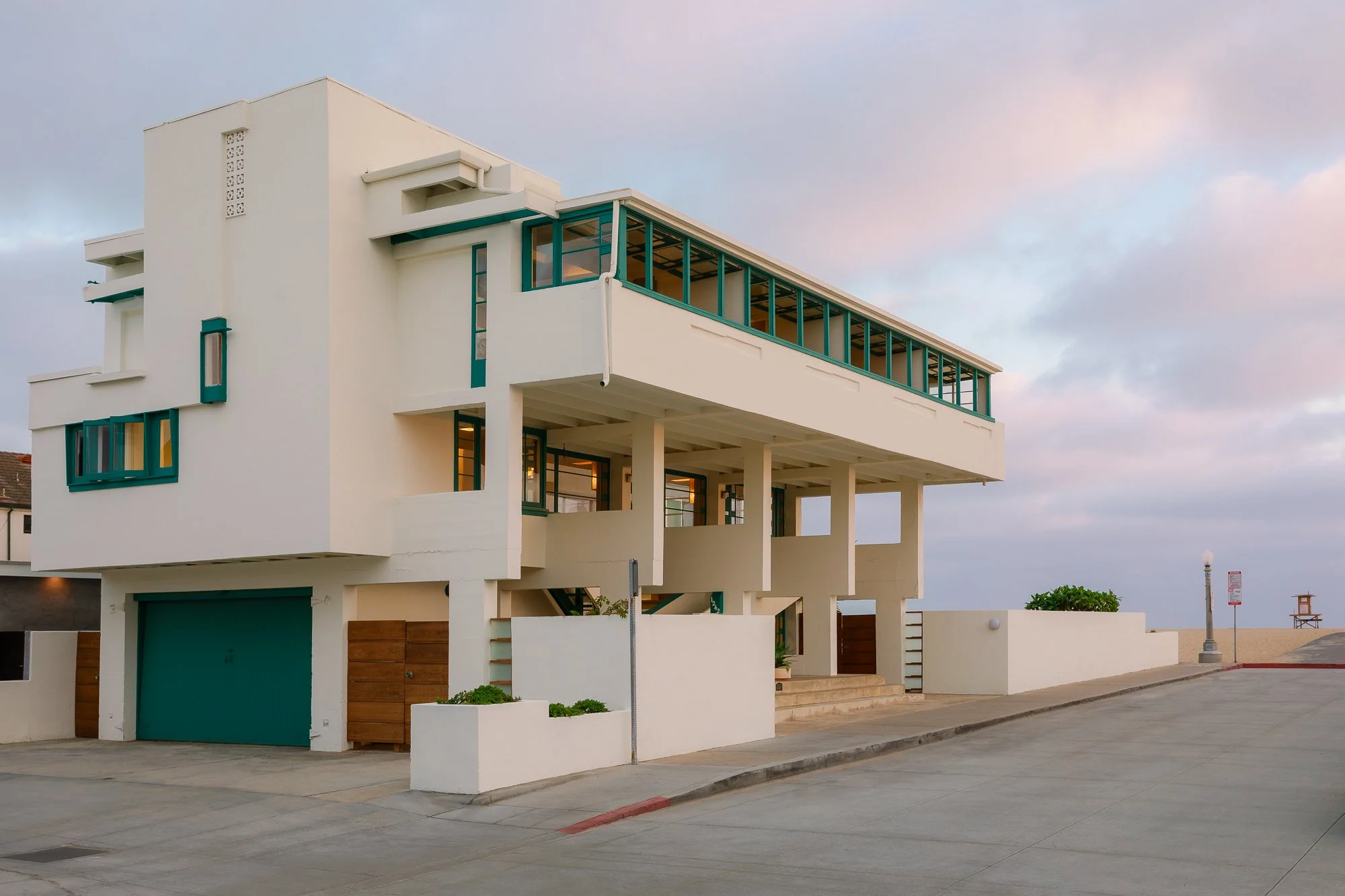
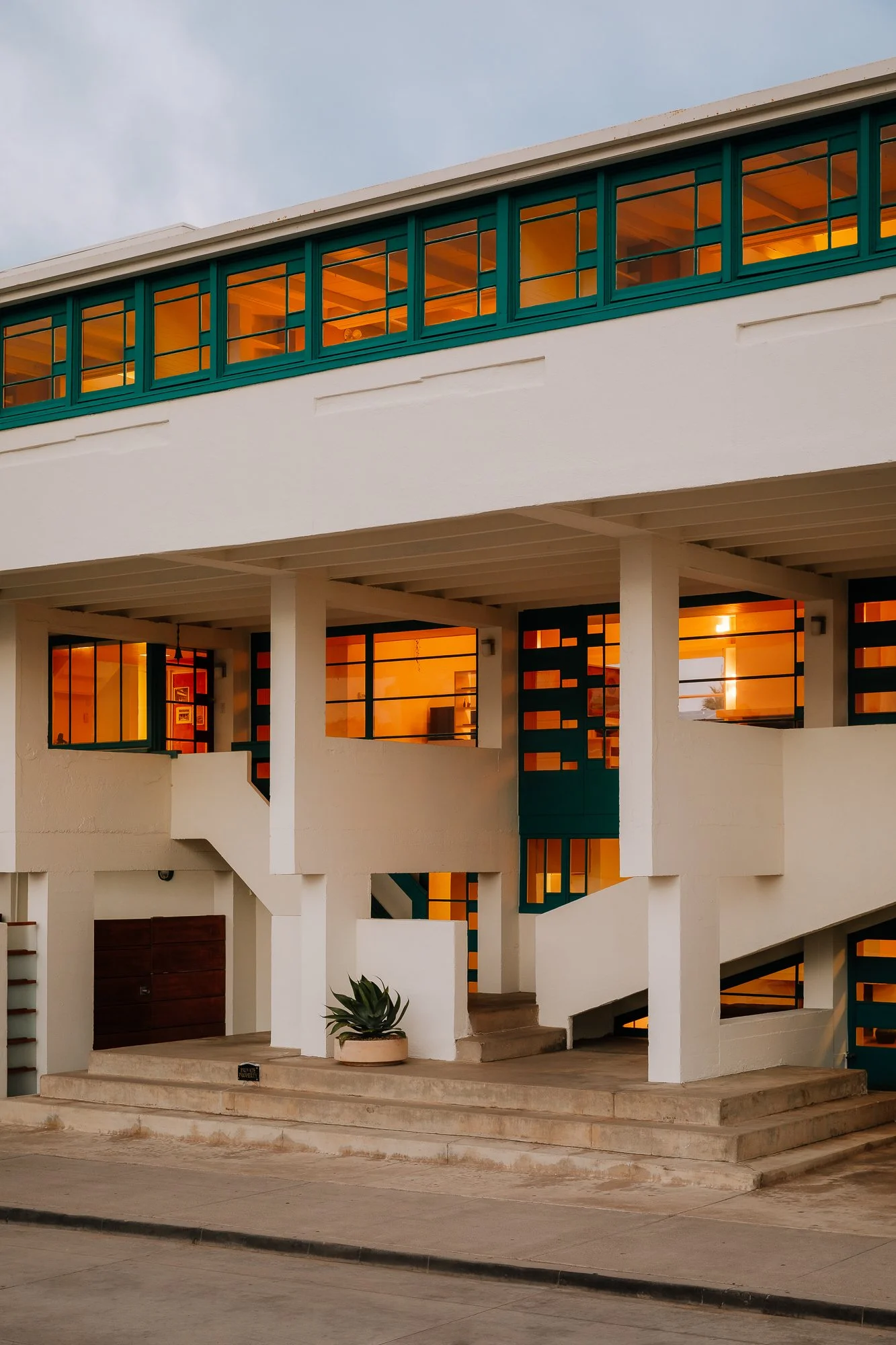
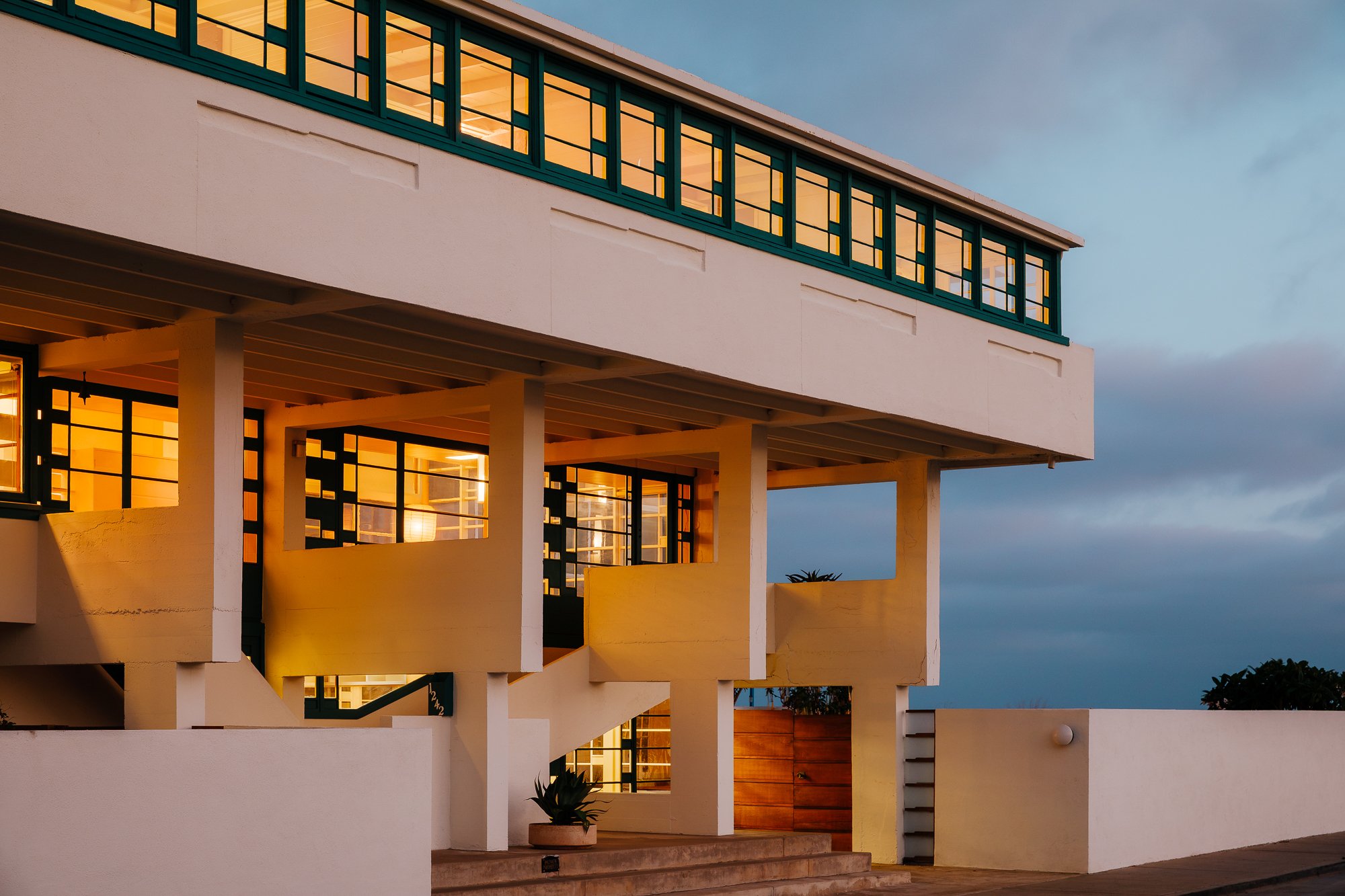
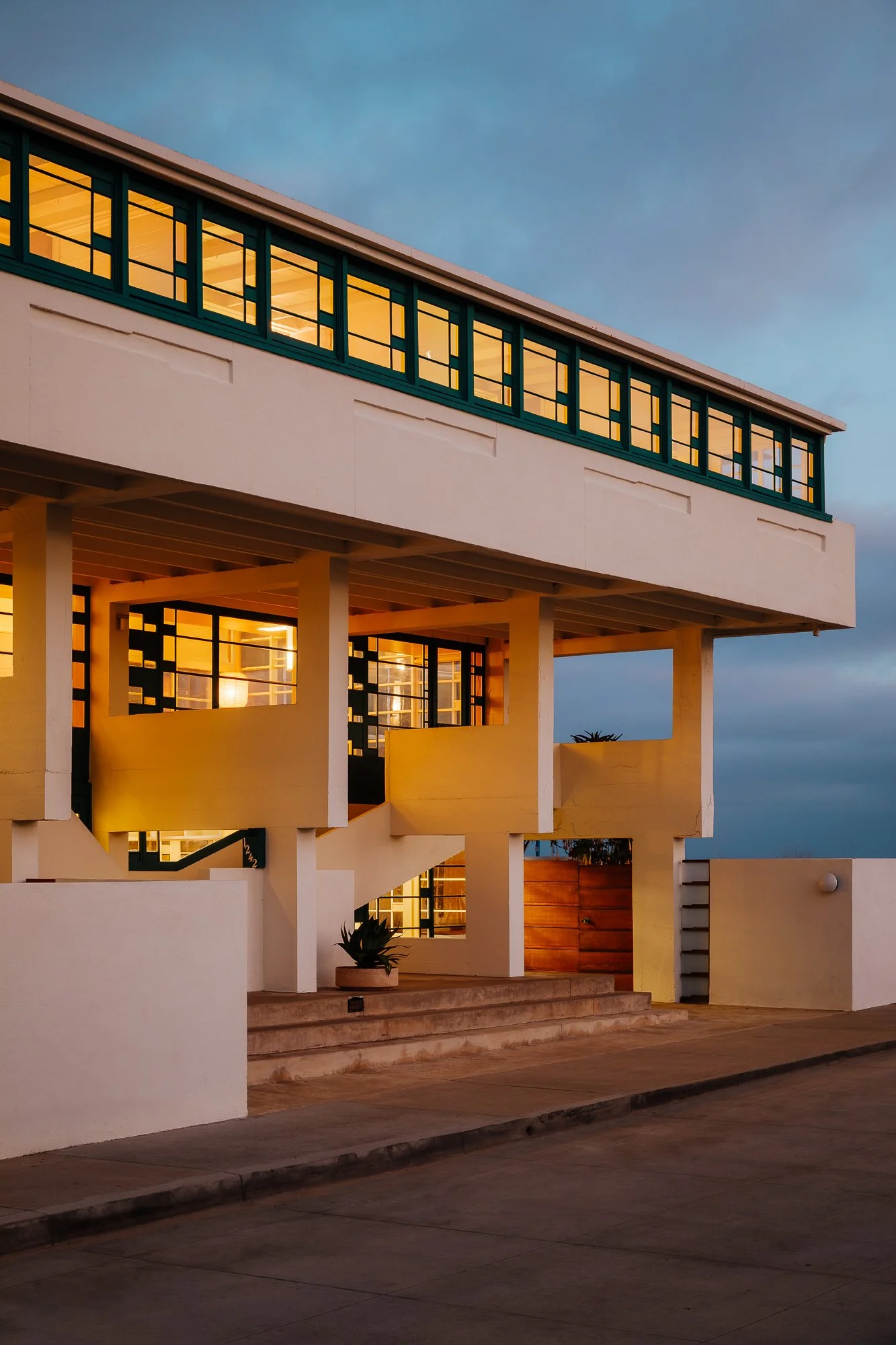
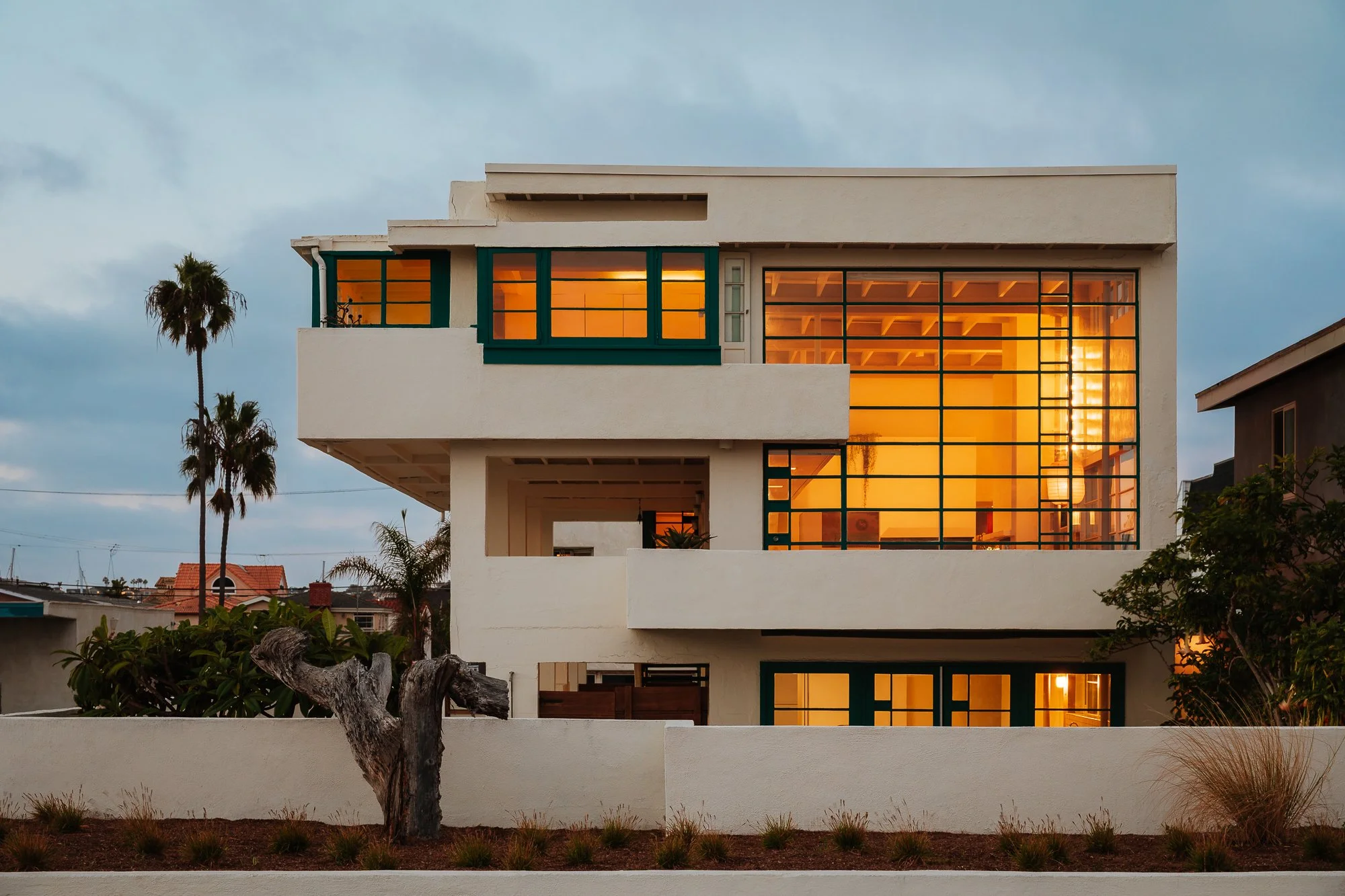
One of the defining masterpieces of early California modernism, offered for the first time on the centenary of its completion. Revered as “an icon of modernity at a Promethean scale” (Polzoides, 1997) — and widely recognized as “Schindler's second most important work,” after the home he built for himself on Kings Road (Steele, 2005) — the Lovell Beach House has served for the last 100 years as the Lovell family’s personal oceanfront retreat. Now it seeks a steward who can enjoy and enrich the “playful mood of beach life” that Schindler sought to conjure up. When client and architect met in the early 1920s, Dr. Philip Lovell was a prominent naturopath with a health column in the Los Angeles Times; Schindler, born in Vienna, had come to Southern California to supervise Frank Lloyd Wright’s projects in the region. For the young, pioneering architect, Lovell’s corner lot on Balboa Peninsula would become a laboratory of radical innovation. His vision is miraculously intact today. Inspired by the “pile structure indigenous to all beaches,” Schindler lifted the house above the shore on five reinforced-concrete frames, each cast in the shape of a squared figure eight. The idea was “to assure an unobstructed outlook to the ocean,” he wrote, with enough privacy for “an informal life behind open windows.” Both windows and walls hang on steel rods from Schindler’s concrete skeleton. From street level — with its garage, its enclosed studio and its garden facing the surf — two stairways rise toward the heart of the house: a luminous, double-height living and dining room fronted by floor-to-ceiling glass, its volume bisected by a cantilevered balcony running the length of the space. Four bedrooms open off the suspended balcony, boasting panoramic views of sea and sand. Throughout, expansive window bays echo the stepped rhythm of the concrete frames — larger panes bordered by smaller ones — so that structure and glazing read as a single composition. Schindler’s intricate built-in furniture has been preserved; one central form blends sofa and storage to divide the living and dining spaces. Published in Popular Mechanics (1927) and Architectural Record (1929) — and listed since 1974 on the National Register of Historic Places — the Lovell Beach House is a spatial and structural achievement that “deserves a place,” according to architectural historian David Gebhard, with Walter “Gropius’s Bauhaus at Dessau (1929-30), Le Corbusier’s Villa Savoye (1929-30) and Mies van der Rohe’s German Pavilion at Barcelona (1929) as a key work of twentieth-century architecture.” Yet Schindler also wanted each of his designs to respond to its site and its inhabitants with ingenuity, individuality and “charm.” A century later, the Lovell Beach House remains as inviting as it is impressive — a landmark and a home.
Listed by
Todd Bousman | bouHAUS
&
Nate Cole | Modern California House